the bird on fire

The Palm Valley School Student Blog

Subscribe to Blog via Email

Enter your email address to subscribe to this blog and receive notifications of new posts by email.

Powered by Genesis

Far Away Under the Sea–20,000 Leagues to be Precise

October 15, 2019 by szachik@pvs.org Leave a Comment

By Critic-of-Far-Away-Things James Zheng

When Editor Doreen ordered the Blog Staff to WRITE ABOUT FAR-AWAY THINGS, James responded with a book he read long ago that took place far, far away . . . .

Twenty Thousand Leagues Under the Sea is the most profound book I have read. I still remember the time I was studying in middle school that we were required to read tons of literary works, and I was completely not interested in reading. One day, we were told to grab a book in the school library. I randomly grabbed this blue-covered book and flicked through the pages. Then I looked at the title. It caught my interest and made me read this science-fiction novel. I still can’t believe that I finished this 1,000-page book for an extra-curriculum reading assignment.

Twenty Thousand Leagues Under the Sea (Vingt mille lieues sous les mers) was published serially in 1869-1870. It was written by French writer Jules Verne and belongs to the second series of the Verne Trilogy (the other two are In Search of the Castaways and Mysterious Island).

From my perspective, Twenty Thousand Leagues Under the Sea is one of Verne’s best works. Verne’s rich imaginative and meticulously delicate writing characteristics have made it into a masterpiece. Jules Verne creates a thrilling underwater adventure. His protagonists travel through ocean regions. During the process, whether it’s frustration or joy they experience, they learn about nature and humanity. The elements in the novel are strange; the language mainly focuses on vividly depicting an underwater world full of mystery. The description of everything is detailed and interesting, both artistic and scientific language make the image appear in front of you. Verne writes confidently of human beings recognizing and conquering the ocean, and shows the tenacity and courage of human will. The overall story includes technical knowledge of the underwater world associated with biology, geography, etc. 

Let’s take a look at the reviews given by other bloggers. (Note: This is translated from the original Chinese.)

  • “‘Twenty Thousand Leagues Under the Sea’ is the farthest distance a wandering heart can pursue. When reading, we follow the author hunting albatrosses on the seafloor, catching birds of paradise on desert islands, watching flowing fish flash phosphorescently in the night, . . . We feel the protagonist’s loneliness.” -Blogger GuiGuiXi. https://baike.baidu.com/tashuo/browse/content?id=0cbc6fa2b3fdc838f20e0448&lemmaId=64843&lemmaId=64843&fr=qingtian
  • “I was amazed at the author’s comprehensive and extraordinary knowledge and understanding about everything of the ocean. In many places, things, customs and culture can be counted as a treasure. In reading this book, we feel like we are back in the 1800s and actually have an image of everything that belongs to that era. . . . . I saw a little bit of the historical background [of] that time and [was] astonished by the extensiveness of the author’s thoughts. To create a series of interlinked, closely related and non-existent things . . . requires a strong imagination and knowledge . . . . I saw the sadness of the protagonist . . . . He holds his own hatred towards the world and isolates himself from society.”–Blogger Siwangqishidetongchu. https://www.zhihu.com/question/285823396/answer/498167494 

I truly feel the loneliness of actually going under the sea for twenty-thousand miles. Maybe sometimes we choose to isolate ourselves from human civilization and try to be more in tune with the natural world. I cannot think of more reasons to recommend this book but for its undiscovered “depth.” 

  Far Away Editor: Doreen Yuan

Filed Under: Far Away Tagged With: 000 Leagues to be Precise, Far Away Under the Sea--20, James Zheng

Musical Art

October 11, 2019 by szachik@pvs.org Leave a Comment

By Katelin Mei

There are many kinds of art. One kind of art is music. Since I have been playing the violin for a very long time, I have become very familiar with this art. I have been playing violin in the Buddy Rogers Youth Symphony for three years. Here are some of the benefits I have discovered of learning how to play an instrument, and joining an orchestra where many different instruments work together to create a beautiful piece of musical art.


Some ways it has positively affected my life are by encouraging me to try my best and giving me something to be proud of. I always try my best to be very dedicated to improving my skills on the violin. When I practice a violin piece or skill for a while and finally feel like I have learnt it, I feel very proud of myself for being able to achieve something I have worked for. 

Playing in an orchestra has helped me work with many different people who all have different parts to play and still create and work on the same music piece. It has helped me know how all our different parts work together to create a piece of music. We all have to work together and play our separate parts to create music that we can be proud of. I feel proud when we have worked on a piece for a while, and the end product is amazing. I feel proud because I know that I helped work on my part and we created something amazing with all of our parts working together.

Art Editor: Chelsea

Filed Under: Art Tagged With: Katelin Mei, Musical Art

Frankenstein in Pasadena: The Modern “Modern” Prometheus

October 10, 2019 by szachik@pvs.org 6 Comments

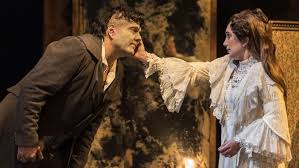
Leo Milmet, along with the PVS junior and senior classes, traveled to Pasadena’s A Noise Within Theatre last month to view the theatre group’s production of Frankenstein. Mary Shelley’s thriller is a staple of English literature. The AP Lit class had just finished reading the book over the summer. Leo, an avid fan of theatre and cinema, submitted this review of the production. His theatrical review is a timely fit, as this week blog celebrates art.

PRODUCTION GRADE: B-


By Guest Writer Leo Milmet

A Noise Within’s production of Frankenstein by Nick Dear was as interesting as it was imperfect. What do I mean by that? The first few moments with the Creature, crawling like a babe, not knowing who or what he is or why he’s been created, are perhaps the best moments in the show. Michael Manuel, the actor playing the Creature shrivels, shudders, shouts, grunts, and mesmerizes his way into the audience’s heads and hearts. He’s fascinating, and the show is worth the price of admission for him alone.  He makes us feel so much sympathy for a character who has been totally dehumanized by his portrayal in popular culture. 

Next to enter the stage, of course, is Victor Frankenstein himself. Now, the actor playing Victor is somewhat of an enigma to me. My main question is, “How could a director good enough to direct Manuel’s performance also be bad enough to direct this one?” Seriously. This actor gives a performance whose over-the-topness would be surprising in a high-school play, let alone a professional one. He plays Frankenstein like we are meant to laugh at his terrible portrayal. I haven’t seen him in anything else, but his portrayal of Victor Frankenstein may be the greatest work of comedy he’s ever done. He bands together with a few truly awful members of a mostly-decent ensemble to ALMOST offset all of the goodwill we’ve gotten from Manuel. What is this actor’s name? Kasey Mahaffy. I understand that it is very hard to recite the line “NOOOOOOOOOOO!!” like it’s well-written, but it can be done so much better. 

Mercifully, the first 30 minutes or so involve very few moments of Mahaffy’s ridiculous performance. Rather, we first see life through the eyes of the first and only member of a species, and it’s heartbreaking. He’s treated about as well as we would treat a rattlesnake on our kitchen table, and it’s sad. The mirror it holds up to society is interesting, and someone was onto something wonderful when he or she decided to populate the stage with mirrors.

As the show continues, it becomes more and more eventful, and the story is fascinating all along; its tone is always of dread; the intent is never to frighten but to create empathy for pretty much everyone, which is very smart because I, for one, find it easy to pity such a lost soul as the Creature. And, if it weren’t for Mahaffy, the play would have succeeded in creating empathy for the major characters, despite some shortcomings in the ensemble department. 

The ensemble is okay at best; the dialogue could use a brush-up; Kasey Mahaffy as Victor Frankenstein is utterly ridiculous. Still, the story’s technical design and especially the brilliantly-characterized performance of Michael Manuel caused me to have a great time watching the play–despite its shortcomings.

*The views of guest writer Milmet are uniquely his own and do not represent the opinions and views of thebirdonfire.org.

Art Editor: Chelsea 

Filed Under: Art, Review Tagged With: Frankenstein in Pasadena: The Modern "Modern" Prometheus, Leo Milmet

Lyrics? Where We’re Going, We Don’t Need Lyrics

October 8, 2019 by szachik@pvs.org 3 Comments

By Luke Langlois

Ah yes, classical music. Who doesn’t love a little elegance every once in a while?  No, not the 80s or the 90s, those classics. I’m talking about the music you are graced with when walking into the house of a cultured enthusiast or an eccentric billionaire. History has remembered the names of the larger-than-life composers like Beethoven, Mozart, Bach, Brahms, and more. But, unless you are well-versed in classical music or an orchestral instrument, do you know the names of these composers’ works? Before doing my research, I can say with absolute certainty that I had no idea which piece went “bumbumbumbumbumbumbum da da da da.” So, here are the uber-famous classics that you probably don’t know the name of. If you know all of these, go ahead and flex your genius in the comments. 

1 –  “Für Elise” by Ludwig Van Beethoven: “Für Elise,” also known as “Bagatelle No. 25 in A minor,” has the most iconic opening piano rift out of ALL of the piano riffs. Is piano rift too uncultured? Fine. The composition is an elegant piano solo. Anyway, saying that it is the most iconic of all time may be a broad and uncited generalization, but trust me; you will recognize it almost instantly.

2 – “Eine kleine Nachtmusik” by Wolfgang Amadeus Mozart: Officially known as “Serenade No. 13 for strings in G Major,” this composition begins with another immediately recognizable riff. This time, though, it’s violins!

3 – “Toccata and Fugue in D minor” by Bach: Although this is one of the most eye-catching titles in HISTORY (not),  “Toccata and Fugue in D minor” is liable to catch your ears with a sense of dread. This piece has been used in horror pop culture for decades. Listen in to enter a creaky old mansion full of monsters and ghoulies. 

4 – “Minuetto” by Luigi Boccherini: So, you’ve accidentally stumbled upon a row of mansions in the gold-laced streets of Italy. When you ring that diamond-encrusted doorbell, this composition is what you hear as the butler comes to answer.

5 – “The Four Seasons” by Vivaldi: This piece, actually a compilation of season-representing violin concertos by Vivaldi, is another composition that has consistently been associated with elegance and the finer things of life. The most famous portion of this composition comes from the opening of “Spring Allegro.” 

6 – “Peer Gynt – Morning Mood” by Edvard Grieg: This piece is likely in your mind as the “happy morning wake up” theme where the birds are chirping, the sun is shining conveniently through the window, and the recently awakened person is stretching photogenically. Bob Ross and Mr. Rogers probably woke up to this every morning.

7 – “Canon in D” by Pachelbel: This piece is so wedding that people probably do not enjoy playing it at weddings. I haven’t been at a wedding in over a decade, so I wouldn’t know. 

8 – The “Final” of the Overture to William Tell by Rossini: The “Final” from this Overture is the well-known “horse-race” song. The best way to describe this song with text is certainly “Dundundundundundundundun dun dun DUN dundudun.”

9 – “Also sprach Zarathrustra” by Richard Strauss: Imagine you’re Neil Armstrong and you are taking a cinematic walk on the moon to plant the flag of the United States. There is a 78.9% chance that Strauss’s opening melody is being played in your ears. This symphonic poem has more to it than its introduction, so continue listening (if you have the time).  

10 – “Gymnopédie no. 1” by Erik Satie: This soft composition may instill sadness, peace, relaxation, or a conglomeration of all three of these feelings. You may also be irresistibly pressed to pronounce the title of this work. It’s tough.

That’s all for now, folks. I hope you leave this post knowing at least one more classical title. I, personally, have learned to never judge a classical piece by its name. I’m starting to believe that the less you understand out of a title, the better. Obviously, this list is not all-encompassing. Dig deeper; you know more classical tunes than you think you know. Finally, listen to these works past just their minute-long introductions. Many of the universally recognizable portions are just brief moments of a tone poem that lasts for an hour. Become a classical music enthusiast and rid yourself of any lyrical corruption. This is where I would put an Italian farewell to up my culture levels, but I don’t know much Italian. 

 Art Editor: Chelsea Xu

Filed Under: Art Tagged With: Luke Langlois, Lyrics? Where We’re Going, We Don’t Need Lyrics

Art Theme Week!

October 8, 2019 by szachik@pvs.org Leave a Comment

By Art Editor Chelsea

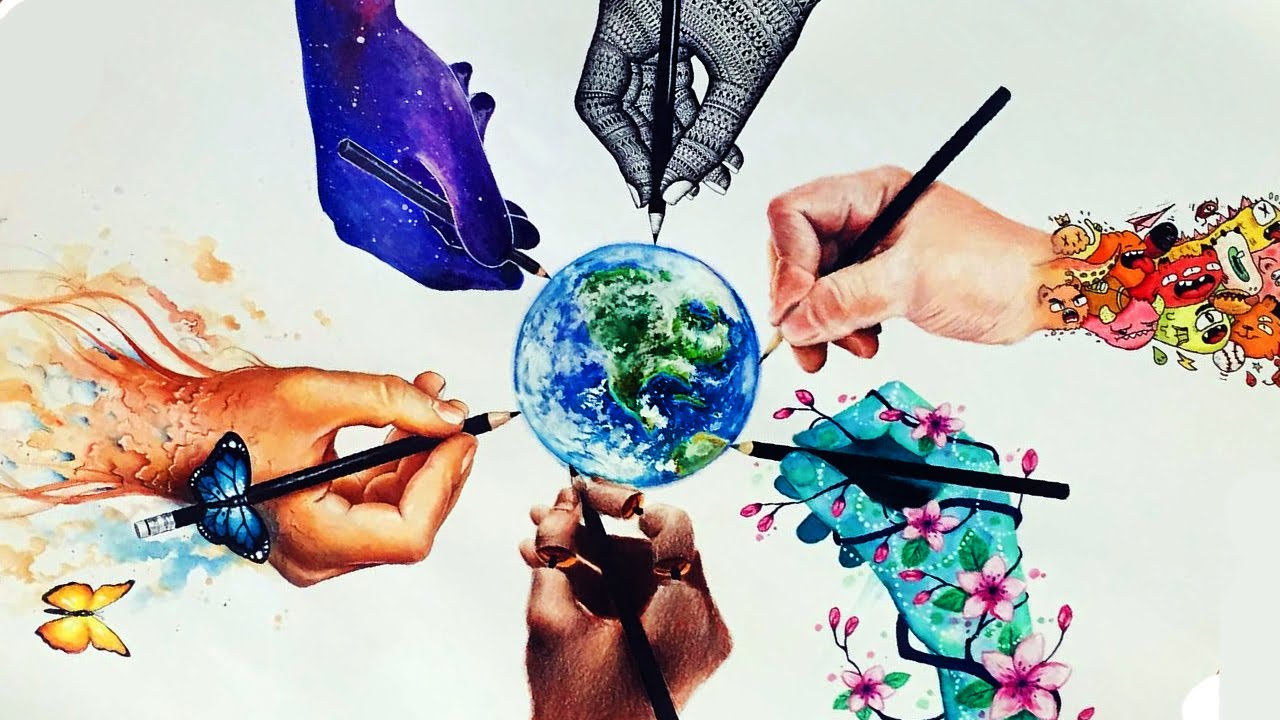
Hello everybody!! I am the editor for this week, and the theme is going to be art!! Art is a commonly used word that describes many things including liberal arts, art history, fine arts, digital arts, drama, music, musicals, etc. So, please enjoy this week’s posts by our school’s amazing bloggers and have a wonderful day.–Chelsea

Image by Vexx on Youtube.

Filed Under: Art Tagged With: Chelsea Xu

How to Draw an Alien

October 4, 2019 by szachik@pvs.org Leave a Comment

By Chelsea Xu PROFESSIONAL AP ART STUDENT EXTRAORDINAIRE

Editor Doreen says, “Blog something Far Away!” So, Chelsea instructs us in drawing our “far-away” neighbors.

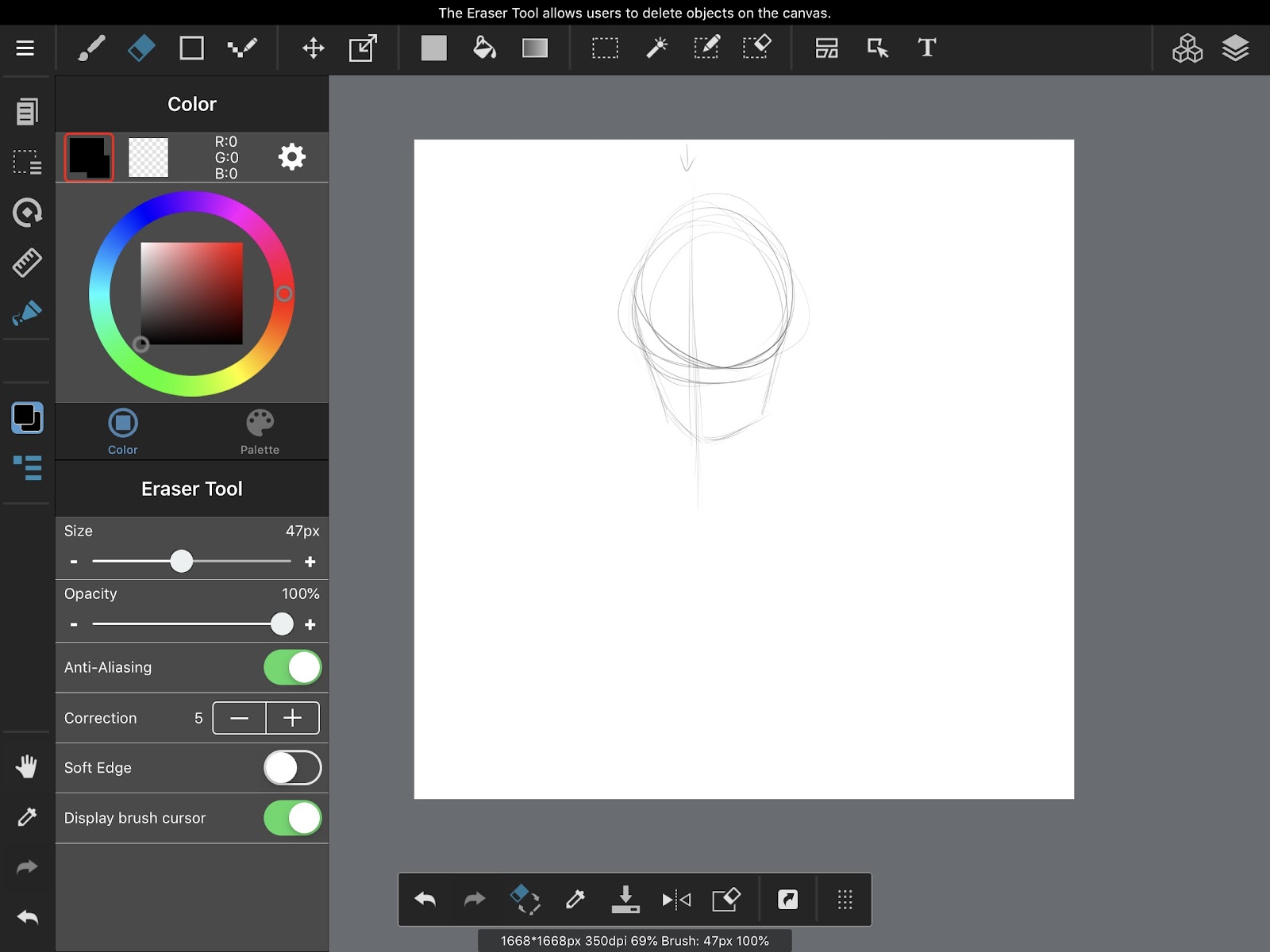
Hello, everyone!! Today I’m going to teach you guys how to draw my version of an alien. Everybody has their own alien in their imagination, so feel free to add your own features on your alien if you like.

Let’s get it started!!

Step #1 Draw a circle on the upper hand of the paper.

Step #2 Draw two lines alongside the circle.

Step #3

Now, since I am drawing the face a bit sideways, the centerline of the face should be a little left or right to the side. As well as the jaw, if your line is on the left, extend the right jawline a little further, and if your line is on the right, then do the exact opposite.

Step #4

Add the eyes!! Note that the eyes are not totally symmetrical to each other because the head is tilting to the side. 

Step #5 

Add shadow in the eyes!

Step #6

It’s time to add the nose! This is a unique pointy nose, but honestly, you can draw the nose however you like! They are aliens after all.

Step #7

Even though you cannot see the mouth clearly, I did draw the mouth. It is below the nose of course, and, again, you can do any shape of the mouth you like.

Step #8

Horns!! I added some pretty unique horns to my fellow alien; adding some extra features on your aliens will make them extra special!!

Step #9

It’s neck time! Since the head turned to the right for a little bit, the neck needs to be in a different direction as well. The left line connects the edge of the jawline while the right line connects to the left jaw.

Step #10

Add the beginning of the shoulder blades at the endpoint of the neck. Note that is a downward slope, not a straight line.

Step #12

Erase the helping lines gently, and add a bit of shadow under the neck.

And ta-da!! You are finished!! Here is the result of our lesson!

Awesome job, everyone! I hope you guys like and learned something in this tutorial. I ́ll see you all next time!!

                                                                                                  “Far Away” Editor: Doreen Yuan
Filed Under: Far Away Tagged With: Chelsea Xu, How to Draw an Alien

Let’s See Them Aliens

October 4, 2019 by szachik@pvs.org 1 Comment


Editor Doreen tasked the Blog Team with addressing the theme of “Far Away.” This is Luke’s response.


By Luke Langlois, Buzz Lightyear’s friend

We are all-too-often defined by our differences in life, but, at the end of the day, we have many universal similarities. We all (hopefully) speak the universal language of laughter and smiles. I also have a side theory that dogs are constantly trying to replicate our smiles, but that’s not the point of this post. I am here to discuss the one universal quandary that everyone has considered at one point or another in their lives–where are the aliens?

Unless you’ve been living under a metaphorical rock, you heard about the Area 51 Raid that took place on September 20th, 2019. The “Storm Area 51, They Can’t Stop All of Us” event started out as a Facebook event. As the event gained internet fame, people began to think that this was a great idea! The military isn’t just going to take down millions of citizens. Although, the Air Force did say that they would do whatever needed to defend the United States and its assets. Anyway, two million people on Facebook alone marked themselves as “attending,” and an additional one million said they were “interested.” This doesn’t even take into account the additional millions of people who don’t have Facebook that heard about it through other sources of media like Twitter, Instagram, or the mainstream news networks. We may seem globally divided all the time, but that hasn’t stopped us from putting millions of heads together for a “joke.” Doesn’t that give you some faith in humanity? 

The actual impact of the raid breached the physical world as well as the digital world. Lincoln County, a county neighboring Area 51, drafted an emergency declaration to prepare for a (predicted) 40,000 raiders. The town of Rachel, Nevada, had similar fears. They hypothesized that raiders and their cars from more temperate climates would not be able to handle the heat, causing emergency services and general stores to be overwhelmed. Luckily, their worries did not materialize. Only 150 people actually showed up around Area 51, and only two people were arrested. To my disappointment, nobody tried to raid Area 51. 

We were not able to rescue the extraterrestrials from Area 51, so our alien brethren will remain a mystery. Everyone has a different opinion on extraterrestrial life, but if I had to generalize, people tend to believe that aliens are far, far away. I don’t think so. We’re not quite sure just how expansive the universe is, but we do know that Earth is a tiny dot in the grand context of space. I also subscribe to the multiverse theory. According to my limited understanding of this concept, there’s a universe where Palm Valley’s primary uniform color is teal. Yes, teal. Given this, are we expected to believe that nothing else in our universe, let alone any parallel universe, has stumbled upon Earth? The chances of that are slim, especially when you also consider our Earth’s long history. I’ll leave you with this thought: there already are extraterrestrial species on this planet. They landed long before humans could understand matters like these. Armadillos are weird. Cats have bumps on their tongues. That’s not normal. Trust me, near or far, our intergalactic neighbors are watching. 

Editor: Doreen Yuan
Filed Under: Far Away Tagged With: Luke Langlois

Part 1 of the Story

October 3, 2019 by szachik@pvs.org 52 Comments

by Doreen Yuan

A Review of the Urban-Legend storytelling rules:

1. The comment section is part of the story. All comments are ordered by number.

2. Comments that include a >> and a number (ex: >>1) are replies to the comment with that number.

3. Anonymous users in the comment section are part of the story. There are multiple anonymous accounts.

4. The characters named No Longer Human and Curry are part of the story in the comments.

5. Readers can leave messages in the comment section but should not intentionally destroy or try to confuse the coherence of the story.

6. Readers can respond to any anonymous character interaction in the comment section–that response may change and contribute to the story.

7. Do not use inappropriate language.

8. The roles and anonymity in the comment section are created by the primary story author himself.

9. The time of all messages is based on the time of writing.

10. Have fun, and enjoy it.

The story begins . . .

A microblog for help

By No Longer Human 

                   Hey, so if anyone is seeing this right now, I need help~ I am on a train coming back home, and I’m lost. I’m at “Kisaragi station.” Does anyone know where that is???

The story continues in the Comments . . . .

Story Editor: Renée

Filed Under: Fiction Tagged With: Doreen Yuan, Part I of the Story

10 Weird Science Facts to Keep You Up at Night

October 2, 2019 by szachik@pvs.org 1 Comment

By Renée 

Science is the study of how our world works. This week, thebirdonfire.org is looking at Science. Most of us interact with the world, and science, on a daily basis. The reality of the world can be kinda weird, but you might not be aware how weird it can be. Here are some mind-bendingly weird science facts.

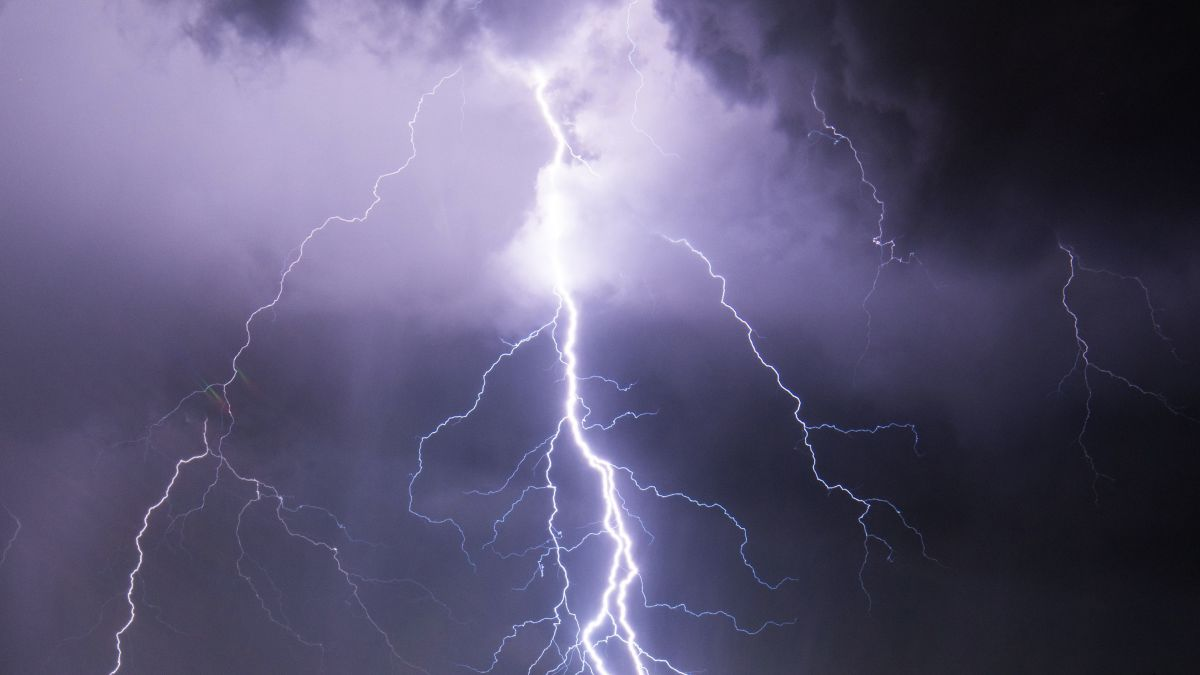
  • Women are less likely to be struck by lightning. It’s just science. A study by the National Weather Service explains that many of the top leisure activities that expose people to lightning strikes feature mostly male participants. 
  • The average human body carries ten times more bacterial cells than human cells. So, you’re never alone!
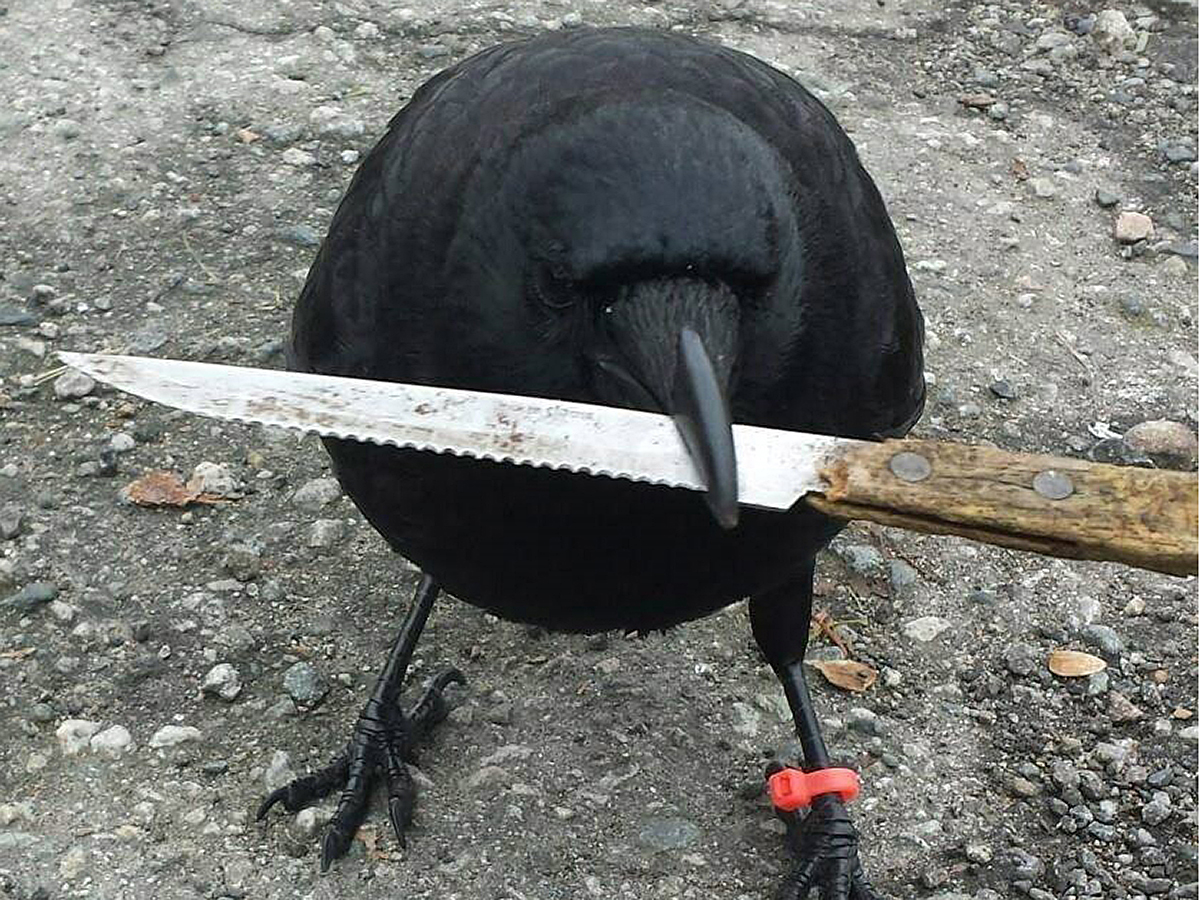
  • Members of the crow family can recognize human faces and can even hold grudges. Ravens have been shown to share their grudges with subsequent generations of ravens. The crow below remembers. . . .
  • On average, it takes 10g to kill a human. Surprisingly, it’s difficult to calculate the G-force that would kill a human, but the consensus is 10g experienced for at least a sustained minute will kill you.
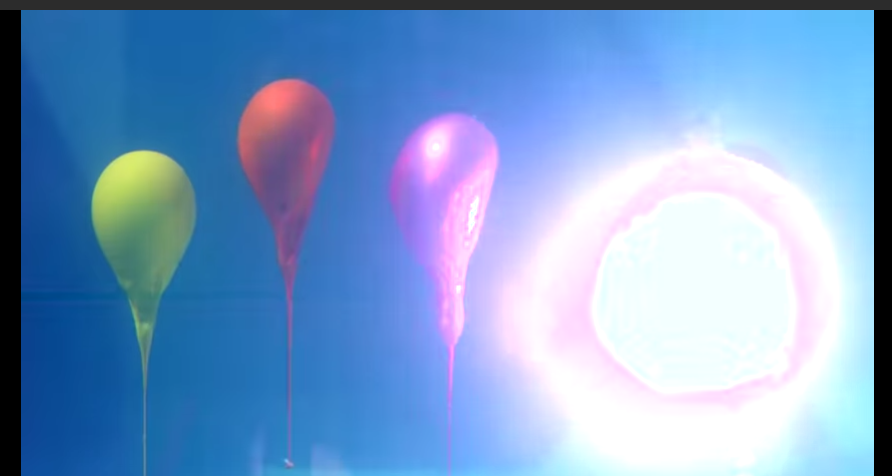
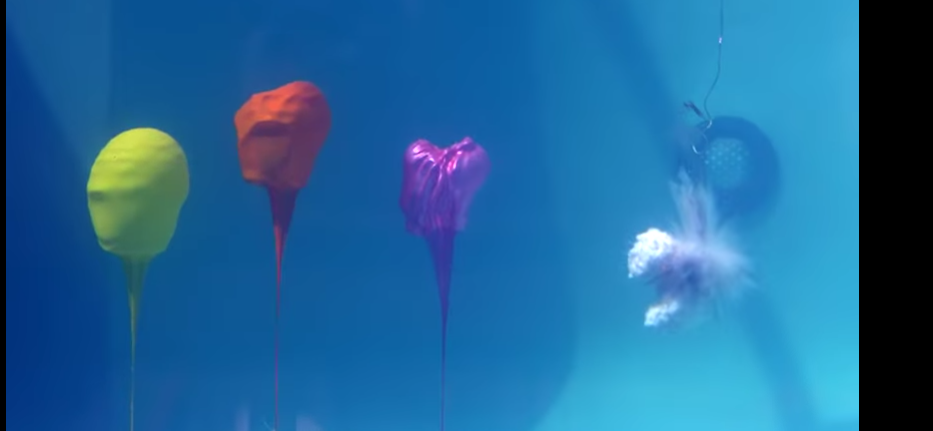
  • You are better off surviving a grenade on land than underwater. Why? Water is in-compressible. This means not only is the blast wave not dissipated, as it would with the air on land, but the blast pressure also forces itself right through your mostly liquid body. Leaving you thoroughly dead. So, if you must sustain a blast, try to do so on land–not water. 
  • 10kgs of feathers have the same weight as 10kgs of lead. Yes. It’s true. 10 kilograms will always equal 10 kilograms. I know; it’s shocking.
  • Humans and chickens share at least 60 percent of the same DNA. Apparently, we all come from the same place. “The chicken genome fills a crucial gap in our scientific knowledge. Located between mammals and fish on the tree of life, the chicken is well-positioned to provide us with new insights into genome evolution and human biology,” said National Human Genome Research Institute Director Francis S. Collins, M.D., Ph.D.
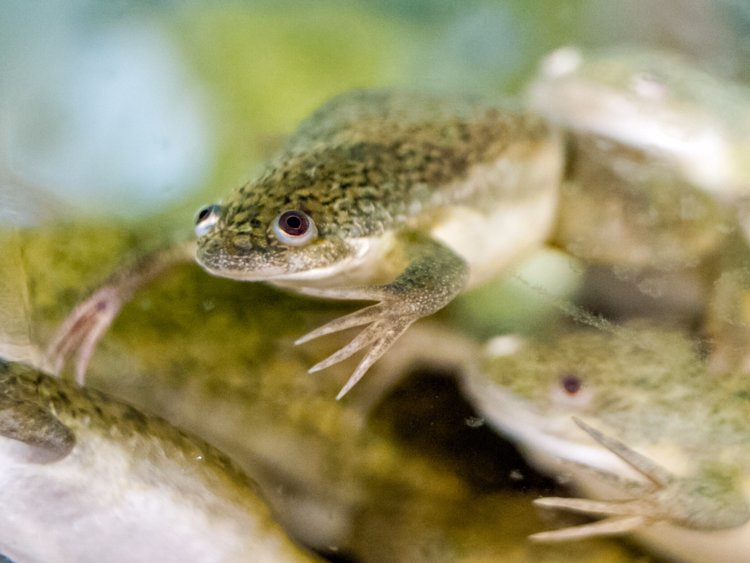
  • If you inject female frogs with the urine of a pregnant woman, they will ovulate within twelve hours. This used to be the only reliable and practical pregnancy test before the 1960s. Prior to using frogs, female mice and rabbits had been used, but these had to be dissected and carefully examined for ovarian changes. Frogs lay eggs, meaning they can be checked for ovulation without killing them. Therefore, frogs were reusable and could be conveniently kept in aquariums, which made pregnancy testing practical on a larger scale than before. What a world.
  • If the world’s spiders took to eating humans rather than insects, they’d consume the world’s human population in about a year. “The total biomass of all adult humans on Earth is estimated to be 287 million tons. Even if you tack on another 70 million-ish tons to account for the weight of kids, it’s still not equal to the total amount of food eaten by spiders in a given year, exceeding the total weight of humanity. In other words, spiders could eat all of us and still be hungry.” People actually calculated this.
  • A liquid can boil and freeze at the same time. Lauren Davis over at the io9 online science journal explains, “As the liquid boils, high energy molecules leave the liquid as gas, lowering the temperature of the liquid left behind and causing it to freeze. This process of boiling and freezing continues while the substance remains at this pressure and temperature.” 

The world is so weird, please don’t go outside!

Sources:

https://weather.com/health/news/lightning-kills-more-men-women-20130805

Bacteria: the Good, the Bad, and the Ugly

https://www.medicaldaily.com/breaking-point-whats-strongest-g-force-humans-can-tolerate-369246

https://www.sciencealert.com/watch-how-to-survive-a-grenade-blast-according-to-science

https://answers.yahoo.com/question/index?qid=20100419074408AAyD6Ie&guccounter=1&guce_referrer=aHR0cHM6Ly9

https://www.genome.gov/12514316/2004-release-researchers-compare-chicken-human-genomes

https://www.smithsonianmag.com/smart-news/doctors-used-to-use-live-african-frogs-as-pregnancy-tests-64279275/

https://www.washingtonpost.com/news/wonk/wp/2017/03/28/spiders-could-theoretically-eat-every-human-on-earth-in-one-year/

https://www.sciencealert.com/watch-a-liquid-boil-and-freeze-at-the-same-time

Science Editor: James Zheng

Filed Under: Science Tagged With: 10 Weird Science Facts to Keep You Up at Night, Renée

Us

September 26, 2019 by szachik@pvs.org 1 Comment

Editor James assigned us the theme of “Science.” Quintus responded at the pitch meeting, “I’ll write about Chemical Reactions.” Somehow, we knew he wouldn’t be limiting himself to the chemistry of science class.

We’re like bottles of sulfuric acid of different concentrations.

We’re not like noble gases.

We are intoxicated with the neon in the night

Where it’s not so bland.

Life is like a REDOX reaction.

The concentration of sulfuric acid is life.

In this chemical reaction

We’ll meet some tough opponents:

supercilious carbonaceous nitrogen and iron.

At this point, with enough heat and pressure

All can be easily solved.

Behind the spectacular reaction

It’s hard to see our fragile hearts.

Boiling in searing heat,

Flames are burning and water drops are colliding,

Rising fog like silk is confused like feeling.

We’ve been crazy together.

Science Editor: James Zheng

Filed Under: Science Tagged With: Quintus Ni, us

  • « Previous Page
  • 1
  • …
  • 72
  • 73
  • 74
  • 75
  • 76
  • …
  • 128
  • Next Page »

About

We are the Palm Valley Firebirds of Rancho Mirage, California. Join us in our endeavors. Venture through the school year with us, perusing the artwork of our students, community, and staff. Our goal is to share the poems, stories, drawings and photographs, essays and parodies that come out of our school. Welcome aboard!