the bird on fire

The Palm Valley School Student Blog

Subscribe to Blog via Email

Enter your email address to subscribe to this blog and receive notifications of new posts by email.

Powered by Genesis

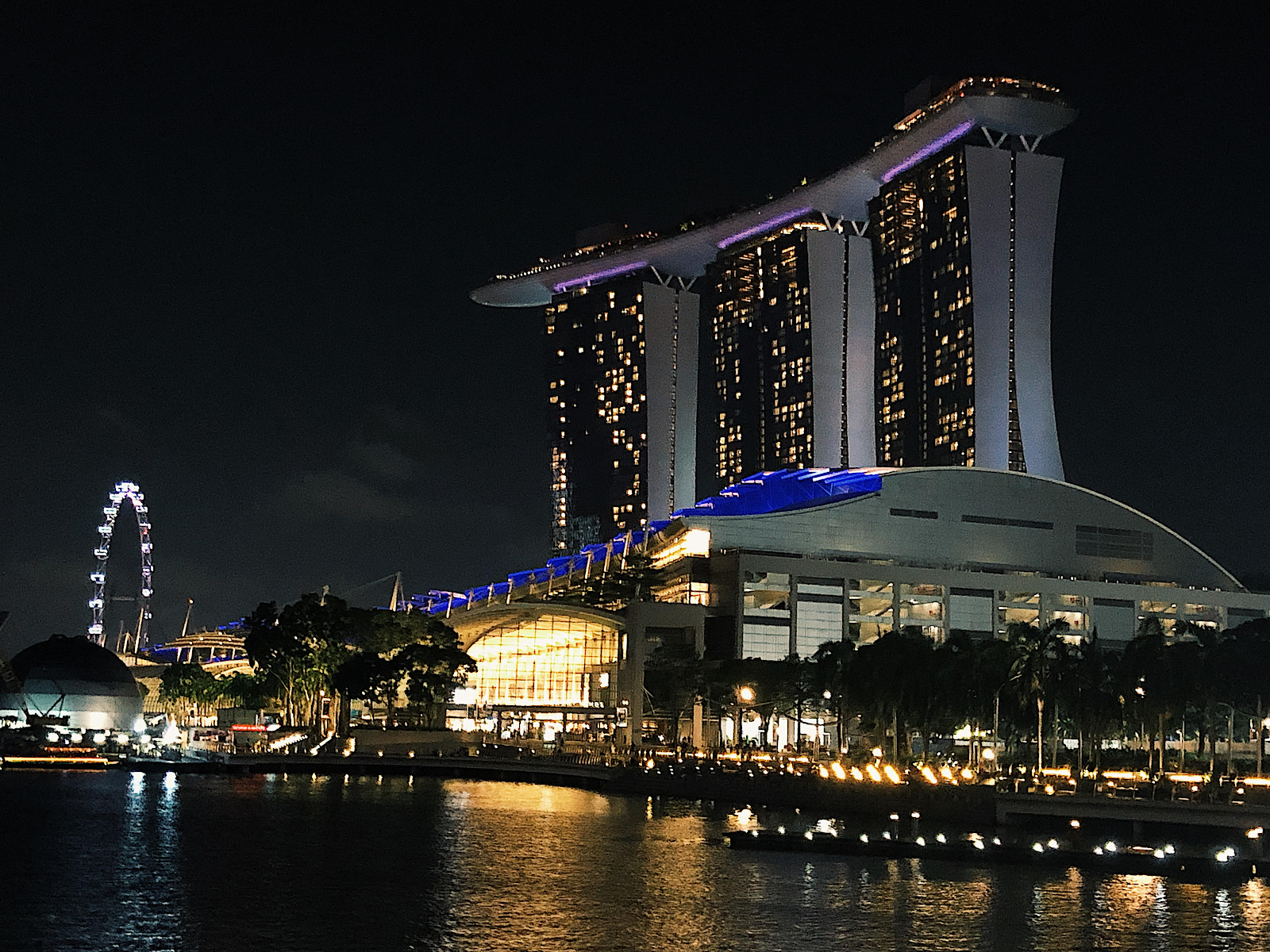
Amazing Architecture: Marina Bay Sands

March 26, 2021 by szachik@pvs.org Leave a Comment

Blogger Elizabeth wrote about the Marina Bay Sands Resort, located in Singapore. Recently it has garnered a lot of attention, and since its creation in 2010 it has been featured in many motion pictures as well as advertisements. It is a design like no other with three beams that consist of hotel rooms holding up the restaurant and activity part of the resort. The top portion looks like a boat.–Editor Roman Rickwood 

By Elizabeth Shay

One of the most breathtaking modern architectural feats I have seen in my travels is the Marina Bay Sands resort in Singapore. Most recently Marina Bay Sands was featured in the 2018 film Crazy Rich Asians–a film which brought international attention to the beautiful country. This building is definitely a sight to see. My mom is a Singapore native, and travels there were common in my childhood. Now that I am older, I can properly appreciate the culture. I am excited to write about just one of the iconic structures that Singapore boasts. 

Background

Opened in 2010, the resort consists of a hotel, convention-exhibition centre, mall, theatre, “celebrity chef” restaurants,  floating crystal pavilions, art-science exhibits, and a casino. The casino is the world’s largest atrium casino, with 500 tables and 1,600 slot machines. The resort was designed by Moshe Safdie, who says that he was inspired by decks of cards. The main feature of the resort is the three hotel towers, each 55 stories tall and connected by a three-acre (130,680 square foot) roof terrace, the Sands SkyPark.
Design and Construction

The three towers have broad bases that narrow towards the top. Each tower has asymmetrical legs, which presented significant difficulties in construction. While the buildings were being constructed, substantial temporary structures for support and real-time monitoring were required. 

The SkyPark connecting the hotel was pre-constructed in 14 separate steel sections before assembly atop the buildings. The park contains the world’s longest elevated swimming pool, with a vanishing edge (infinity pool). The SkyPark also has rooftop nightclubs, gardens and even a public observatory deck. An impressive design element is the cantilevered (horizontal structural element supported only at one end) segment 23 feet off of the north tower. Four movement joints, each with their own unique range of motion, are located underneath the main pool to help withstand the natural motion of the towers over time. The towers are subject to wind as well as gradual settlement into the earth, so engineers, thinking ahead, constructed and installed customized jack legs to “allow for future adjustment at more than 500 points beneath the pool system,” and ensure proper functioning of the infinity pool (Wikipedia).

Attractions

The ArtScience Museum is shaped like a lotus and has a retractable roof that creates a waterfall of collected rainwater when closed in the daytime and laser shows when opened at nighttime. 

The Shoppes is the major shopping mall of the Marina Bay Sands Resort, almost 1,000,000 square feet in size and containing over 300 stores and restaurants from celebrity chefs like Gordon Ramsay and Wolfgang Puck! There is even a canal that runs through the shopping mall, with rides available to guests and shoppers.

There are also two crystal pavilions, one of which is home to the largest Louis Vuitton boutique in the world. Not to mention, the pavilion is constructed on a floating island, connected to the mall by an underwater tunnel!

Conclusion

These are just some of the amazing things that the Marina Bay Sands resort has to offer. It is truly the most impressive piece of architecture I have experienced in my travels so far. If you’re ever in Singapore, this is definitely a must-see. 

Architectural Achievements Editor: Roman Rickwood

Source:
https://en.wikipedia.org/wiki/Marina_Bay_Sands

Filed Under: Architecture Tagged With: Elizabeth Shay

The Truth Behind the Washington Monument

March 26, 2021 by szachik@pvs.org Leave a Comment

In further pursuits of architectural achievements, Erik writes about his time in Washington, D.C. Back when he was in 8th grade, Erik was amazed at the creation and construction of the Washington Monument. He’s still amazed today.

By Erik Bearman

A few years ago, I went on a trip with my 8th-grade classmates to Washington, D.C., America’s capital. I spent a few days there, and we had a great time. While we were walking around the city, we passed the Washington Monument. Let me tell you about it.

History of the Washington Monument

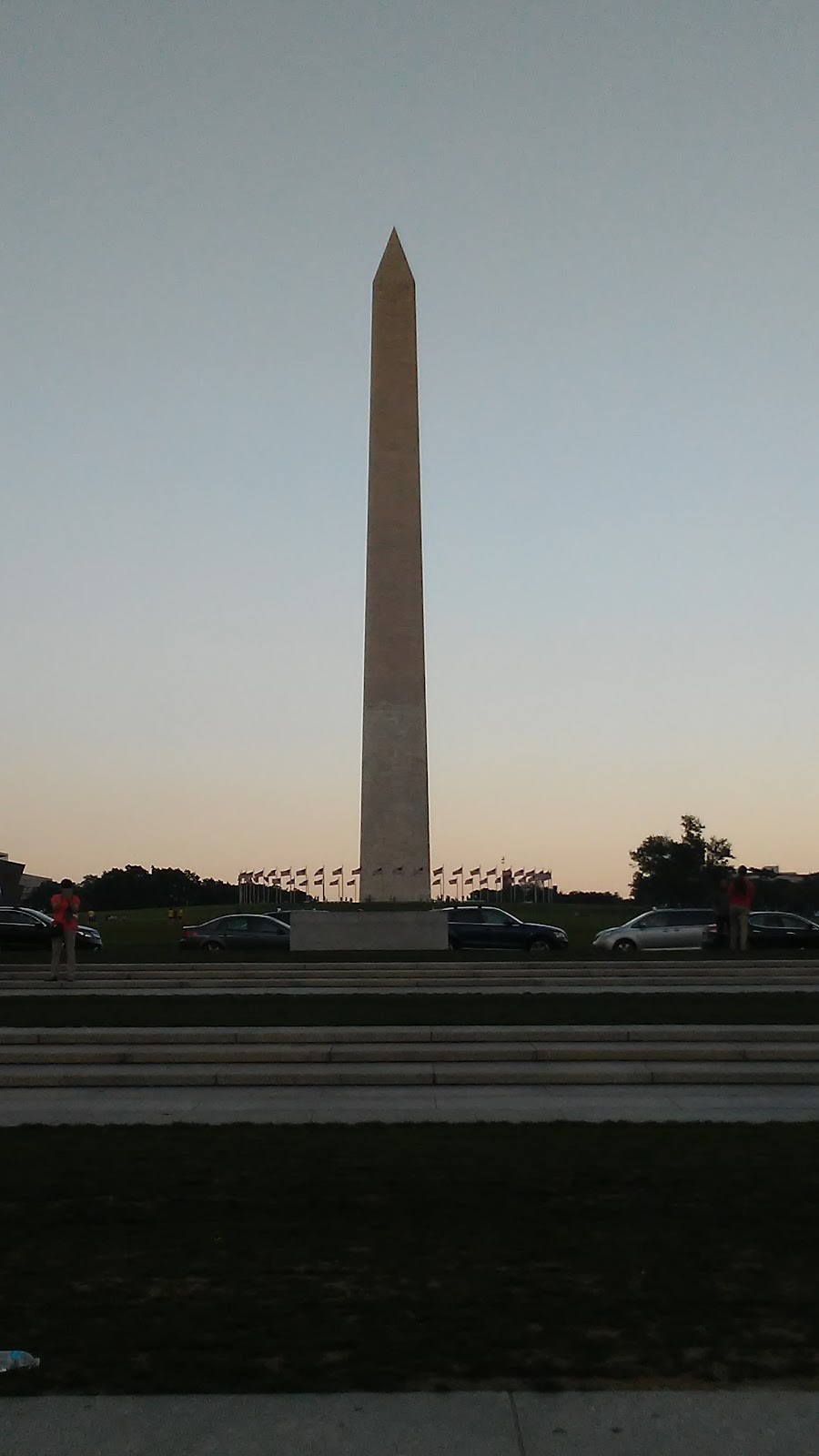
The Washington Monument was intended originally to be a memorial statue of George Washington, but Washington got rid of those plans when he was elected President. It wasn’t until 1833 that a group of citizens (later known as the Washington National Monument Society) decided to raise funds for a monument to be built. The leader of the WNMS, Chief Justice John Marshall, held a competition to determine who would get to design the monument.

The winner of the competition was an architect by the name of Robert Mills. Mills envisioned a “pantheon (a temple-like building) featuring 30 stone columns and statues of Declaration of Independence signers and Revolutionary War heroes. A statue of Washington driving a horse-drawn chariot would reside above the main entrance and a 600-foot-tall Egyptian obelisk would rise from the pantheon’s center” (history.com). Obviously, this idea in its entirety didn’t come to fruition. The reason being a combination of low funds and the fact that it took too long to build. Not to mention, the quarry stone that had been initially used ran out. So workers had to use an alternative plan which resulted in “the monument [having] two different shades; lighter at the bottom and darker at the top” (www.history.com). 

Construction was finally completed in 1884 (even though the monument didn’t open to the public until 1888)–leaving the U.S. with the monolith you see today. 

Traveling to and through D.C. is arguably one of the best life experiences I’ve had that predates high school. I’ve always wanted to learn more about this (honestly) generic-looking monument.

Fun Fact: The Washington Monument held the world record for tallest man-made structure for less than a year when it was beaten by the Eiffel Tower!

washingtonpost.com

Architectural Achievements Editor: Roman Rickwood

Sources:

  • https://www.nps.gov/wamo/learn/historyculture/index.htm 
  • https://www.history.com/news/5-things-you-might-not-know-about-the-washington-monument 

Filed Under: Architecture Tagged With: Erik Bearman, The Truth Behind the Washington Monument

How the Heck did They Build This Thing?

March 24, 2021 by szachik@pvs.org 1 Comment

When I told bloggers to write about incredible architectural feats, I was hoping someone would write about the Burj Khalifa. Blogger Evan expresses amazement for the construction of the Burj Khalifa and what makes its existence so revolutionary. –Ed. Roman Rickwood

By Evan Spry

In just six years, the most iconic modern feat of architectural engineering was built up and opened, piercing its way to the top of every international height list while simultaneously winning world records. The handshake between Western and Arabic powers led to the creation of the sleekest skyscraper in the world, the Burj Khalifa. This symbol of Middle-Eastern power has dominated the Dubai skyline since its opening in 2010. I know that for me personally, when I was a kid, this skyscraper was one of the only things I could confidently say was from the Middle East. Not only was the Burj Khalifa outstanding visually and technically, it was also outstanding construction-wise. The foundation alone had 45,000 m³ of concrete poured, “weighing more than 110,000 tonnes…that’s equivalent to 18 Olympic sized swimming pools” (commercialinteriordesign.com). The Burj Khalifa was also heavily featured in Mission Impossible: Ghost Protocol. The Burj Khalifa is unique–from how it was constructed to how it was named. 

Name

The direct translation of Burj Khalifa is Khalifa Tower. Formerly, the tower was known as Burj Dubai or Dubai Tower but was changed to Burj Khalifa when the tower officially opened. The name Khalifa is derived from Sheikh Khalifa Bin Zayed Al Maktoum, who is the president of Abu Dhabi as well as the United Arab Emirates. According to thetowerinfo.com, “Burj Khalifa and other construction projects in Dubai were once on the verge of halting” due to lack of funds. “[N]eighbor Adu Dhabi provided funds to Dubai in the hard time, this is the main reason for Dubai . . .renam[ing] the tower Burj Khalifa.” In addition, the word Khalifa carries Islamic importance. “It means Islamic world’s supreme leader” (thetowerinfo.com). 

Height

The height of the Burj Khalifa, free-standing at a whopping 2,717 feet or 828 meters, is what gives the building its status and prowess. Initially, before 2010, the height of the Burj Khalifa was kept a secret so that potential competitors could be prevented from surpassing it. Eventually, the owner of the tower publicly claimed it was 828 meters tall, making it the tallest building in the world in all categories. Since then, the tower has held the title of World’s Tallest Building, Tallest Free-Standing Structure, and Highest Number of Stories in the World (burjkhalifa.ae). The highest floor in the building is the 154th, which is 1,916 feet from the ground. However, this floor is blocked from the public. I wonder what kind of secret organization operates and owns the top floor. In my opinion, it’s the illuminati. Think about it, why else would a company be located at the top floor of the tallest building in the world? To throw its enemies off! I’m just kidding, you can easily look up who owns the top floor, and it’s just some rich dude, still a little weird though. Anyways, for the public, the highest of the three observation decks is on the 148th floor. This observation deck is 1,820 feet from the ground. It’s the second highest observation deck in the world, trailing behind China’s Shanghai Tower, which is 2,073 feet high. I’m sure you’ll need the same amount of adult diapers when peering over the edges of both decks. 

Architecture

Inspired by the Arabian desert’s beautiful hymenocallis flower, the footprint of the Burj Khalifa is triple-lobed with three elements arranged around the central core. The structure of the building is Y-shaped, which “provides an inherently stable configuration for the structure” (burjkhalifa.ae). This intricate architectural design has allowed the Burj Khalifa to remain the tallest building in the world ever since it broke the record over a decade ago. The tower has faced setbacks in regards to expanding upwards because of the upward spiral design that makes the tower decrease in mass as it gets taller. Even though the tower may not be able to expand in height when competition presents itself, the Burj Khalifa will always be the best looking for its height. 

In conclusion, the tallest tower in the world, the Burj Khalifa is not only unique and interesting in its height but also in its name, location, history, architecture, and construction. This skyscraper is a sign of Arabian pride and power and has been able to infiltrate the minds of most western communities in a positive way. I believe that the construction of the Burj Khalifa was also an important diplomatic event as it was a giant cooperative effort between both American architecture companies and Arabian property developers in the post 9-11 era. 

Architectural Achievements Editor: Roman Rickwood

Sources:

https://www.burjkhalifa.ae/en/the-tower/facts-figures/#:~:text=World%20Records,of%20stories%20in%20the%20world

https://www.burjkhalifa.ae/en/the-tower/design-construction/

https://www.commercialinteriordesign.com/insight/updated-how-the-burj-khalifa-was-built-including-design-foundations-cladding-and-urban-myths#:~:text=28%2C261%20Glass%20cladding%20panels%20make,at%20the%20peak%20of%20construction.

Burj Khalifa Facts and Information

https://www.som.com/projects/burj_khalifa

Filed Under: Architecture Tagged With: Evan Spry, How the Heck did They Build This Thing?

The Intimidating Architecture of Fascism

March 24, 2021 by szachik@pvs.org 1 Comment

By Jake Sonderman

I told bloggers to write about famous and incredible architectural achievements in our world. Jake wrote about the collection of buildings built by the Nationalist Socialist Party while they were in control of Germany. The majority of these buildings were built for mass gatherings and speeches. As well, they were a flex of muscles by a political party.–Ed. Roman Rickwood  

Italy is full of Architectural masterpieces. From the Leaning Tower of Pisa, to the Colosseum, to the Sistine Chapel, one can become immersed in thousands of years of history by simply going for a drive. But in the 20th century, the Great Depression hammered the western world. In this dark time, a new political ideology rose from the ashes, Fascism. Through anti-semitism, nationalism, and powerful political speech, Fascism took hold of the governments of Italy, Spain, and Germany. These regimes controlled every aspect of culture in order to peddle their propaganda. This was reflected in the architecture of the period.

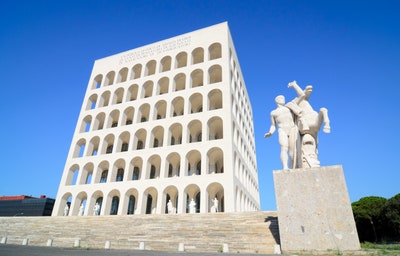
Image may contain Monument Art Sculpture Building Architecture Statue City Town Urban and Metropolis

Since Fascism centered so much around passionate, nationalist rallies, many buildings were built largely for speeches. 

This is the Palazzo Della Civiltà Italiana or the Square Colosseum, designed by architects Giovanni Guerrini, Ernesto Bruno La Padula, and Mario Romano. Mussolini had this built for the World Fair, which was later cancelled because the world was embroiled in WWII (Juliao, study.com). The structure was built entirely for speeches. It goes without stating that this eerie building draws much inspiration from the ancient Colosseum. Both were built to be spacious, daunting, and awe-inspiring.  

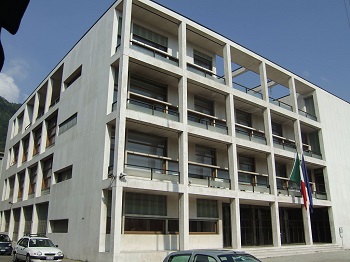
Casa Del Fascio in Como, Italy

This is Casa Del Fascio (Como), or “House of Fascism,” designed by Italian architect Giuseppe Terragni, who designed many buildings for the Italian Fascist Party. It was built in 1936 (architectural-history.org). This became the headquarters for the Italian Fascist Party. As you can see, Fascist architecture aimed for simplicity and symmetry, but also for intimidation. 

The Italian Fascist Party took control of Italy in 1919. The Fascists built many more monumental buildings. The National Socialist Party of Germany took power in 1933 and had much less time to build grand buildings, though they did build some. What I find more chilling than the buildings the Nazis actually built are the buildings they were going to build.

The Architecture of Power: Speer's Plans for Nazi Berlin' title of talk:  UNM Newsroom
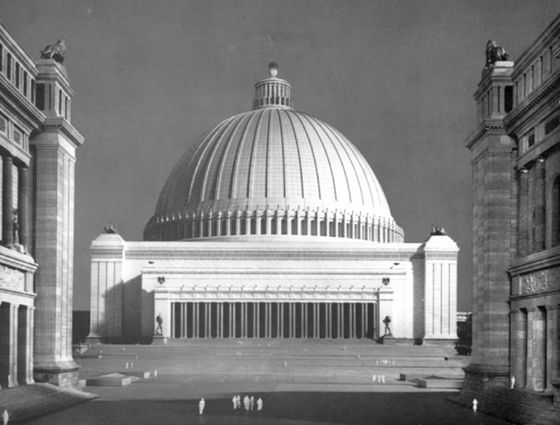
A mock up of Volkshalle, or the “People’s Hall”

Volkshalle, or “the People’s Hall,” was part of a plan Hitler had to tear down and rebuild the center of Berlin to be the grandest city in the world. Volkshalle was to be the center of this revamped center of an empire. It was to fit 180,000 spectators and would have been approximately 960 meters high. For reference, that is almost as high as the Empire state building and significantly higher than the dome of St.Peter’s church in Rome, the largest church in the world (bbc.com). 

While it is unlikely that Germany would ever have secured enough materials to complete this task, this was much more than an idea to Hitler. In 1936, Hitler appointed Albert Speer, prominent German architect, as Inspector of General Buildings. Speer’s only job was this Volkshalle project (theguardian.com). 

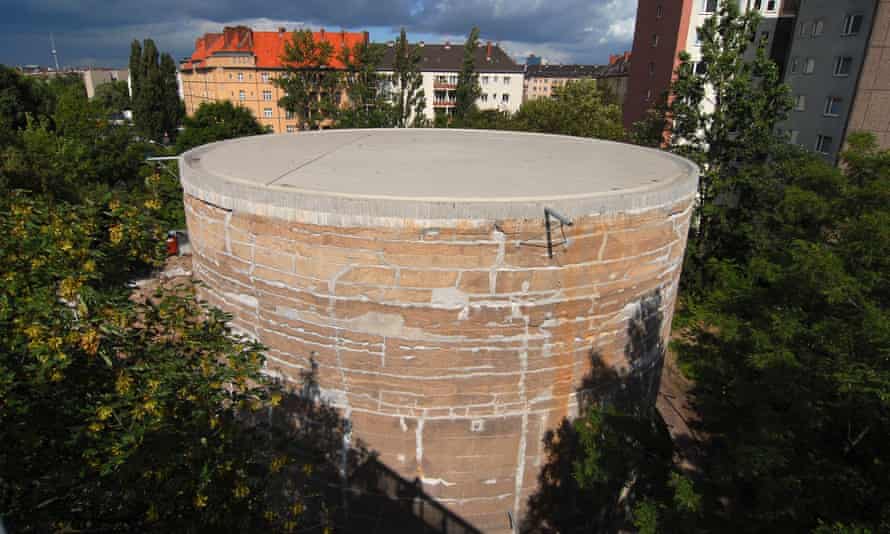
Berlin’s Tempelhof-Schoeneberg now sits in an unremarkable residential area.

This is the bottom of one of the pillars pictured in “The People’s Hall” mock up. The pillar would have been 120 meters high. This base is four stories high and goes 18 meters deep into the ground (theguardian.com). This was built entirely by forced laborers. At just the beginning of this project, tens of thousands of laborers from concentration camps died (theguardian.com). 

For all the grandeur of this planned building, it is a stark reminder of the darkness of fascist regimes and the Nazis. For all the grand monuments and wonders of the world–the Pyramids, the Colosseum, the Great Wall of China–I think it is important to acknowledge the work that was behind them, the forced labor, the flexing of nationalist muscles, and the intimidation.

Architectural Achievements Editor: Roman Rickwood

Sources:

https://www.architecturaldigest.com/gallery/fascist-architecture-through-ages

http://architecture-history.org/schools/FASCIST%20ARCHITECTURE.html

https://www.theguardian.com/cities/2016/apr/14/story-of-cities-hitler-germania-berlin-nazis

https://study.com/academy/lesson/fascist-architecture-in-italy-germany-buildings-designers-characteristics.html

https://www.bbc.com/culture/article/20141106-fantastical-buildings-never-built

Filed Under: Architecture Tagged With: Fascist Architecture, Jake Sonderman

A Tour of New York’s Architecture through the Lens of Sara’s Camera

March 22, 2021 by szachik@pvs.org Leave a Comment

I asked bloggers to write about an experience they had where they were overcome with curiosity and amazement at a great architectural achievement–whether it was because they thought it was so amazing and beautiful or they were amazed as to how it was even built. Sara chose to write about her trip to New York and how awestruck she was at the large and beautiful high rises. Let’s begin our trek through memorable architectural achievements in New York City.–Ed. Roman Rickwood 

By Sara Habibipour

Back in eighth grade, we took a choir trip to New York City where we had the opportunity to perform at Carnegie Hall and explore the Big Apple.

Being a yearbook-er (now Co-Editor in Chief with Baller Haller and E-Money), I always have my camera on me. I actually don’t remember taking these photos, but as I look through my camera three years later, I find that I had captured some unique New York architecture perfect for this week’s theme!


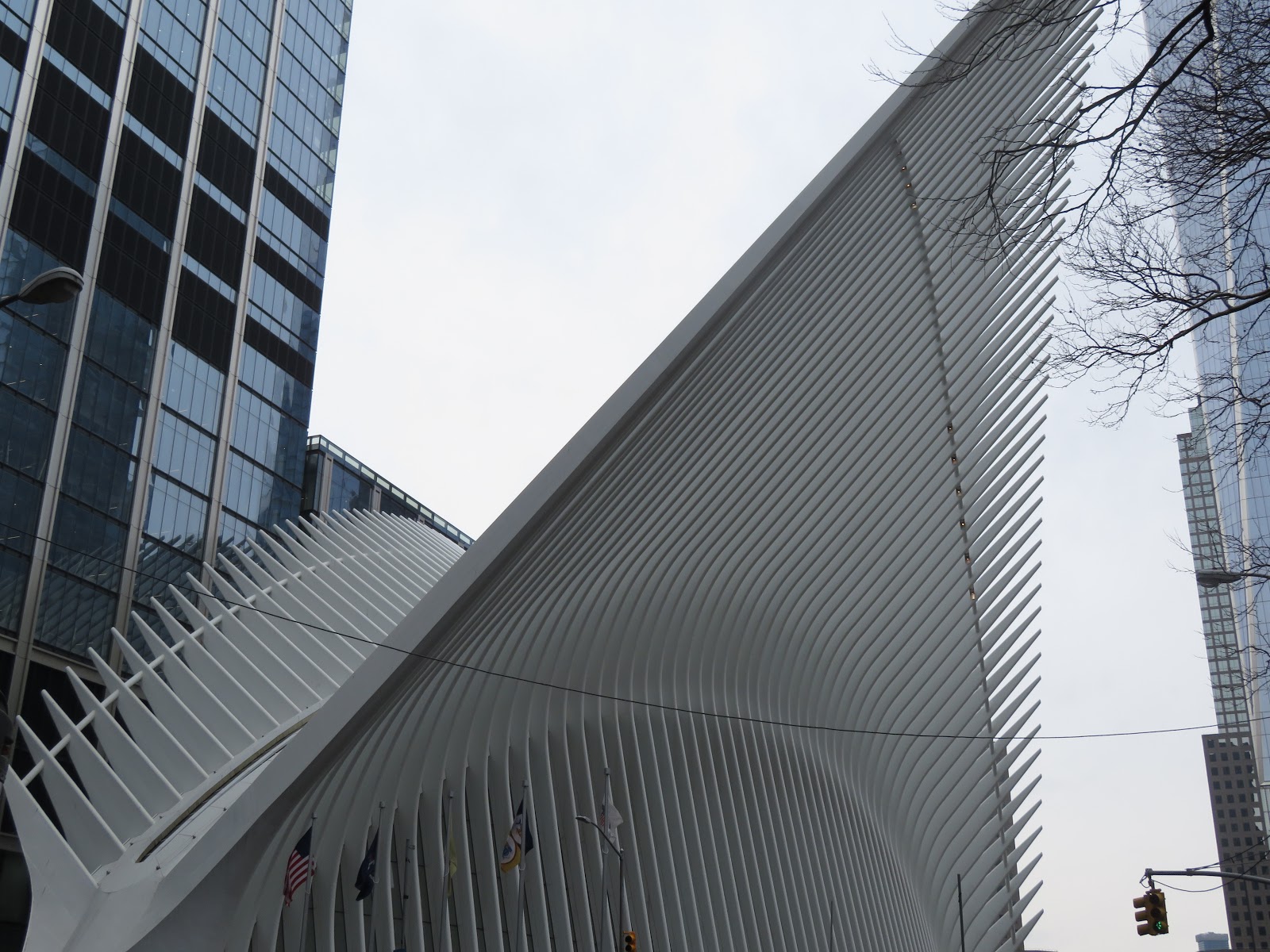
Westfield World Trade Center

When we first walked by this building, I was very confused. Was it a dinosaur statue? A Pokemon character? What was it? 

We walked inside, and then I realized, “Oh, it’s a mall!” 

From the outside, it looks quite small, but it’s HUGE on the inside. In fact, little eighth-grade Sara almost got lost in there. There are about 120 stores spread out across six floors! 

The gaps in between each “spike” allow for natural light to come in and illuminate the mall. It’s all white too, making the inside look very clean and spacious.

The Rockefeller Center 


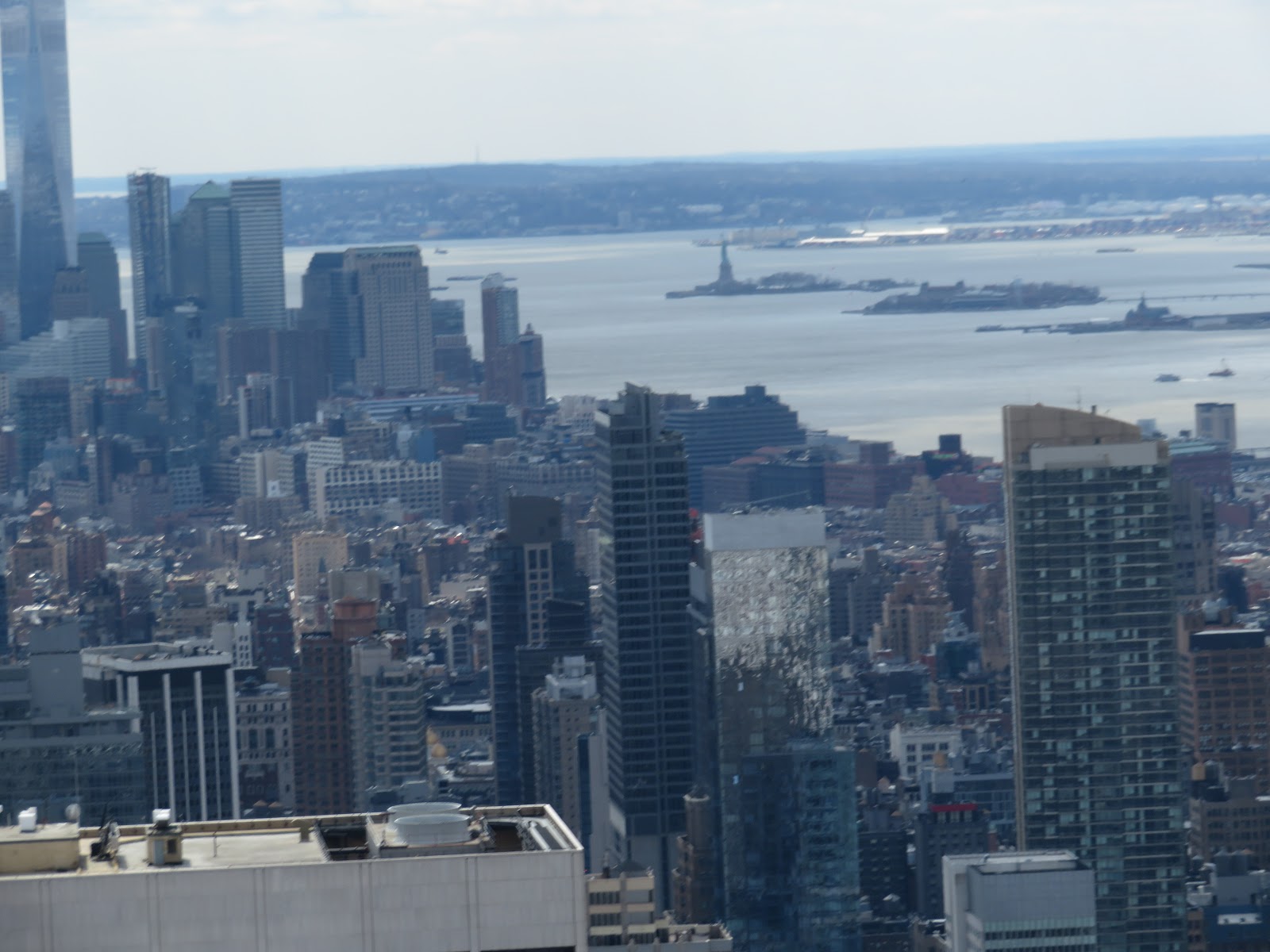
The Rockefeller Center is made of 14 limestone buildings in midtown Manhattan, designed by a team of architects headed by Henry Hofmeister, H.W. Corbett, and Raymond Hood in the 1930s-40s (Britannica). 

I took this photo from the very top of the building (also known as the Top of the Rock)! You can even see the Statue of Liberty in the background! 

Next to the Rockefeller Building is the famous Ice Skating Rink! In this photo, you can kind of see the 18-foot tall, eight-ton golden statue of Prometheus, the Greek Titan god of fire, surrounded by the flags of all the countries of the world. 

Freedom Tower

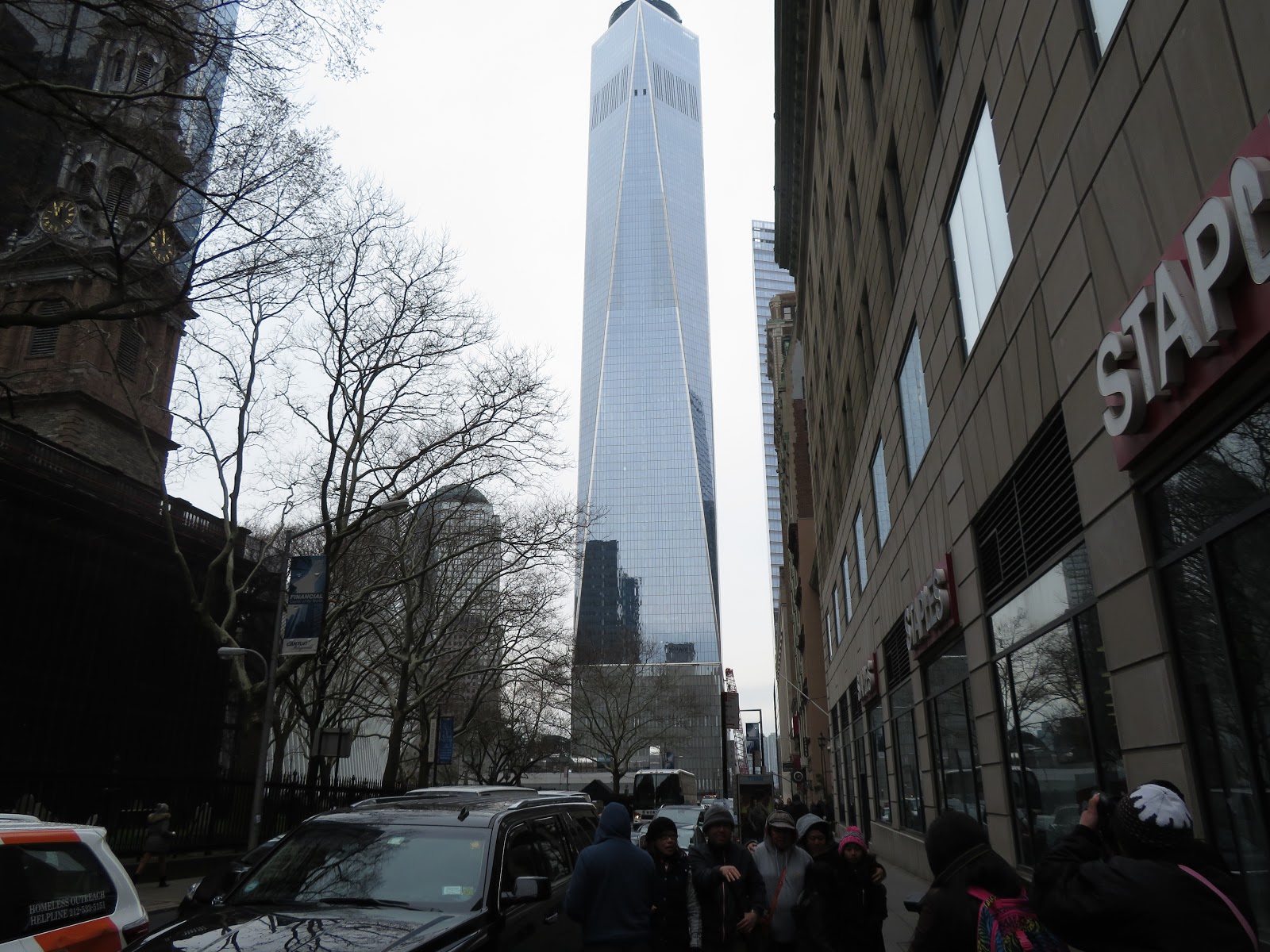
Standing at 1,776 feet, Freedom Tower, also the rebuilt World Trade Center, is the tallest building in the United States (and in the Western Hemisphere as a whole), and the sixth tallest in the world (no wonder why I couldn’t get all of it pictured)! It was deliberately built to be 1,776 feet tall in honor of the year the Declaration of Independence was signed (Travel Awaits). 

Although you can’t see it from this image, its beams are covered in graffiti and signatures of celebrities, including Barack Obama! The building is one of the most eco-friendly in the world, as well. This is because it uses ultra-clear glass to maximize the use of natural light. 

The American Museum of Natural History

Right next to Central Park is the iconic American Museum of Natural History. 

The first building of the current museum’s complex was a Gothic-revival construction built in 1874 after a design by architects Calvert Vaux and J. Wrey Mould (InExhibit). 

The museum is constantly expanding, and currently has an area of over 2,000,000 square feet (InExhibit). 

And although it’s not technically architecture, can we take a moment to appreciate all the time and effort put in to recover and put together a full dinosaur skeleton? Pretty amazing!

The domes, pillars, and art on the walls are very Dark Academia (see this Bird on Fire post to learn more about Dark Academia). 

***

This is all I could find on my SD card, but I hope to return to New York one day and capture some more architecture (maybe more outside of Manhattan)! 

Architecture Editor: Roman Rickwood

Sources: 

https://www.britannica.com/topic/Rockefeller-Center

https://www.travelawaits.com/2478420/visiting-freedom-tower-new-york-city/

https://www.inexhibit.com/mymuseum/american-museum-natural-history-new-york/#:~:text=The%20American%20Museum%20of%20Natural,and%20most%20popular%20science%20museums.&text=The%20first%20building%20of%20the,Wrey%20Mould.

Filed Under: Architecture Tagged With: A Tour of New York’s Architecture through the Lens of Sara’s Camera, Sara Habibipour

3 Worst Mottos to Live By

March 22, 2021 by szachik@pvs.org Leave a Comment

When asked to write about his personal motto, Blogger Erik decided to take an alternate route and discuss mottos you SHOULDN’T live by. Heed his advice.

“You have to have kids. They change your life!”

If you don’t want to have kids, you don’t have to. The societal pressure on couples to have kids forces many people, especially women, to undertake an unwanted pregnancy which, of course, can lead to large amounts of stress. According to Dr. Ellen Walker, a clinical psychologist,

If you find yourself in a situation where you feel pressured or judged due to not having kids, handle it as you please. If you don’t wish to talk about your personal life, simply say so. If you choose to speak out about your life choice, do so in an assertive manner. Remember, being assertive does not mean criticizing, intimidating, or controlling another person. It does mean honestly stating your own feelings, what you wish to have happen, and what you will and won’t do.

psychologytoday.com

 In other words, people who desire to live childfree can choose how they navigate society’s traditional outlook. But, they must be prepared to stand their ground and confront people who disagree with them. And, that disagreement doesn’t mean forcing another person to change their point of view but rather respecting each other’s opinions.

“Just ignore the bullies.”

Speaking from personal experience, you should never ignore your bullies. If there’s a problem, you have to deal with it–either by reporting them or dealing with them yourself. Ignoring the bullies leads them to believe that they can do anything and get away with it. Ignoring bullies results in you suppressing your hurt feelings . . . until you explode.

“Just say ‘No!’”

This motto is commonly used in anti-drug campaigns. And, while many people think it’s easy to say “No” to drugs, that is not always the reality.

Nancy Reagan and her “Just say no” campaign

First of all, adults greatly underestimate how powerful peer pressure can be. One of the most horrible things a student can imagine happening to them is being ostracized because they didn’t do one thing. The word “Just” in “Just say ‘No’” makes it seem like “No” is an easy thing to say. But, for a student struggling to fit in, it is anything but easy. 

Saying “no” might work for someone who’s emotionally secure. But, what about someone who is struggling with depression? What about someone who’s lost everything they own because of an economic crash, expensive medical bill, or a tragic accident? A person in that situation may be searching for a way to alleviate their pain, even if only temporarily. So, if someone offers them drugs that person will likely accept the offer. We need compassion for the person caught in this struggle. Addiction is a serious problem that won’t be solved by an easy catch-phrase.

***

The reason I chose to write about mottos that DON’T work is because while I have no shortage of mottos I live by, I rarely see people talk about detrimental life mottos. I made this list because I wanted people to understand that not every motto is worth living by.

Motto Editor: Sara Habibipour

Sources:

  • https://www.salon.com/2016/04/13/stop_pressuring_women_to_be_moms_its_insulting_to_assume_we_all_want_the_same_thing/ 
  • https://mamaslatinas.com/parenting-pregnancy/why-we-shouldnt-pressure-women-to-have-kids
  • https://www.psychologytoday.com/us/blog/complete-without-kids/201104/direct-and-subtle-pressure-have-children-how-can-childfree-wanna-1 

Filed Under: Mottos Tagged With: Erik Bearman 3 Worst Mottos to Live By

Don’t Give Up the Ship.

March 19, 2021 by szachik@pvs.org 1 Comment

By Roman Rickwood

Nowadays, we all need to be reminded of the importance of persistence. Life is hard. We need to persevere. For this week’s theme, Blogger Roman writes about a motto that highlights the importance of determination. 

My motto to live by is “Don’t Give Up the Ship.” For as long as I can remember, I have had a piece of art hanging on my bedroom wall that says “Don’t Give Up the Ship.” When my mom bought it, she told me the motto reminded her of me and that it has deeper meaning for how we should live our lives. 

New York Historical Society: “Don’t Give Up the Ship”

To me Don’t give up the ship means be persistent, work through it, be strong, and stay the course regardless of what happens. As I’m writing this now, I think if I were to hear someone say “Don’t Give Up the Ship,” I would immediately think of an actual ship and a captain sailing through rough weather in order to complete his voyage. In the maritime world, it is an unwritten rule that the captain should always go down with the ship; this makes sense to me because it would mean that hypothetically the captain was so focused on getting others to safety that he would disregard his own. He has the responsibility of all others and the ship. I really think that this is the attitude you must have to be a captain, whether you are the captain of a football team, a captain of an airplane, or a captain of a ship. You should always put the people you are guiding above yourself. I believe this is the virtue of selflessness, leadership, and sacrifice. 

To me, these are the three virtues that I strive to follow. In my opinion, it is important to make the most rational decisions possible–which is why I sometimes struggle with the interpretation of a captain going down with his ship. Obviously it is reckless to put yourself in harm’s way; however, it is the right thing to do. 

As I’m getting older, I am learning valuable life lessons and realizing how hard life can really be. I think that at the end of the day, as long as you are willing to work hard, be selfless, and make sacrifices, we can accomplish any goal that we seek.

Motto Editor: Sara Habibipour 

Filed Under: Mottos Tagged With: Don’t Give up the Ship., Roman Rickwood

Chinese Proverbs for Everything

March 19, 2021 by szachik@pvs.org Leave a Comment

Nowadays, we often look to celebrities for lifestyle advice. But, in Blogger Evan’s opinion, we should take a moment to recognize the wisdom ancient Chinese proverbs hold.

By Evan Spry

With over 4,000 years of civilized history, China and its philosophers have birthed their fair share of proverbs, or short sayings with deeper meanings behind them. There is an ancient Chinese proverb for almost any situation. However, Chinese proverbs can be broken down and organized into four main phrases or sayings. Firstly, there are the chengyu (accepted phrases), then the yanyu (familiar phrases), then the suyu (popular sayings), and finally the xiehouyu (two-part allegorical sayings). The chengyu proverbs are typical idiomatic expressions, mostly consisting of four Chinese characters. The chengyu are usually the shortest of the proverbs. The yanyu proverbs were focused around family and familial ties, which was very culturally important to the Chinese. Similarly, the suyu proverbs were based around family. Finally, the last form of Chinese proverb was the xiehouyu, which was vivid with images and dramatic results. Here are some of my favorite proverbs that cover a range of subjects. (people.wku.edu)

Happiness/Sadness

“If you want happiness for an hour, take a nap. If you want happiness for a day, go fishing. If you want happiness for a month, get married. If you want happiness for a year, inherit a fortune. If you want happiness for a lifetime, help someone else.” 

“Defeat isn’t bitter if you don’t swallow it.” 

Money

“Wealth is but dung, useful only when spread.” – Confucious 

“To buy a quarrel, lend money to a friend.”

Time

“O man, you who do not live a hundred years, why fret a thousand minutes?”

“The best time to plant a tree was 20 years ago. The second best time is today.” 

Teamwork

“Behind an able man, there are always other able men.”

“Only when all contribute their firewood can they build up a strong fire.” 

***

In conclusion, as famous as Chinese proverbs are, I really don’t think they get the recognition in the Western world they quite deserve. All of these sayings are so true and relatable to our current environment. This also teaches us a lot about the time that they were written and how similar long-ago issues are to ours today. I don’t remember learning very much about Chinese proverbs in history classes, and I think that’s a shame because I really didn’t realize how applicable these quotes from 500 B.C.E were. I recommend researching ancient proverbs yourself because some of them can really make you laugh and others can really open your eyes.

Motto Editor: Sara Habibipour

Funny and Wise Chinese Proverbs and Sayings That are Pure Genius

https://www.thoughtco.com/chinese-proverbs-examples-688198

http://people.wku.edu/haiwang.yuan/China/proverbs/

https://www.researchgate.net/publication/315330789_Distinctive_Features_of_Chinese_Proverbs_A_Comparative_Study_of_Suyu_and_Yanyu_and_Other_Types_of_Shuyu

Filed Under: Uncategorized

Life is Good

March 17, 2021 by szachik@pvs.org 4 Comments

Any friend of Blogger Jake is familiar with his favorite “Life is Good” t-shirt. But, what does “Life is Good” mean to Jake actually? And, why is it such a good shirt?

By Jake Sonderman

Mascot Marketing – How Jake Made “Life is Good” Even Better | PrintRunner  Blog

So my Grandpa got me a “Life is Good” shirt about five years ago. I didn’t wear it for years because it was too big. A year ago I pulled it out from the back of my closet. Many of you have seen this shirt on me since. I probably wear it once a week at least. The shirt says one thing: Life is Good. 

I can’t explain why I love the shirt so much! The shirt is definitely comfortable, but that alone is not why I wear it. I think I like the motto. “Life is Good” is just a good saying to live by. It doesn’t mean life is good all the time, but there is more good than bad. I also think that we all have the ability to be happy in life. If you are not happy, find some hope; find a way to think about the future, and be excited. This is probably easy for me to say as a high-school senior with my entire life in front of me. Still, I know we all have struggles. Nobody’s life is good all of the time. What keeps us going is hope. So, we need positivity for the future. 

Vintage Men's Jake and Rocket Moon Vintage Crusher Tee | Life is Good®  Official Site

My favorite “Life is Good” shirts–and the only ones I own–are the ones with Jake and Rocket. No, I don’t only like the Jake character because his name is Jake (certainly doesn’t hurt though). I like the feeling of the cartoon. It’s just a dude in shorts and a t-shirt doin’ stuff with his dog or his guitar. Very simplistic. It is the perfect embodiment of the motto, “Life is Good.” 

So, if you’re feeling down, if life is getting to you, if nothing is going your way, think to the future. Make your own hope, and maybe, just maybe, buy a new t-shirt to remind you that really “Life is Good.”

Vintage Men's Jake and Rocket Palmetto Moon Vintage Crusher Tee | Life is  Good® Official Site

Motto Editor: Sara Habibipour

Sources: 
https://www.lifeisgood.com/

Life is Good Boy's Vintage Crusher Tee - Superhero Jake and Rocket – Synergy

Filed Under: Mottos Tagged With: Jake Sonderman, Life is Good

Latin Phrases to Live By

March 17, 2021 by szachik@pvs.org Leave a Comment

Editor Sara Habibipour chose as her theme for the week “Mottos We Live By.” In these times of uncertainty, she says, sometimes you just need the right words.

Need some advice? Look no further. Blogger Elizabeth turns to Latin quotes for inspiration. After all, everything sounds better in Latin.

By Elizabeth Shay

I have always been interested in the Latin language. It’s so aesthetic and sounds so sophisticated. Also, some pretty profound things have been said in Latin (some of which made an appearance in my college applications). I’m sure they’ve been said in English as well, but they look and sound way cooler in Latin. Here are eight of the quotes I live by, Latin edition.

  • Disce quasi semper victurus vive quasi cras moriturus 

Learn as if you’re always going to live; live as if tomorrow you’re going to die

Live, Laugh, Learn, Love; YOLO.

  • Acta non Verba 

Actions not words

This is one of the quotes that made an appearance in my college application. It’s all about follow-through, about doing–not just saying. I strive to live by this phrase and hope others in my life do as well.

  • Noli foras ire, in teipsum reddi; in interiore homine habitat veritas 

Don’t lose yourself, return to you, inside of you lives the truth–Augustine

Essentially, this is the quote “be true to yourself” (but a better version because it’s in Latin).

  • Ab alio expectes alteri quod feceris 

Expect to receive such treatment as you have given–Seneca

This is the golden rule at its finest.

  • Aequam memento rebus in arduis servare mentem 

In adversity, remember to keep an even mind–Horace 

Keep calm and carry on even in times of trouble.

  • Multo autem ad rem magis pertinent quallis tibi vide aris quam allis 

It is much more important what you think of yourself, than what others think of you–Seneca

Who cares what others think? You’ll be much happier when you brush off others’ negativity and focus on what makes you happy and self-fulfilled.

  • Sapere aude 

Dare to be wise–Horace

This is the other quote that was incorporated into my college application essays; I want to learn as much as I can in my lifetime, and knowledge is power–take it from Horace.

  • Experientia docet 

Experience teaches

This one nearly goes without saying. Everything you go through in your life is a learning experience. If you’re not learning, you’re rolling in your mistakes.

If you’re ever feeling fancy, drop these quotes into conversation and impress your friends and family. What are some words you live by?

Sources:

“351 Cool Latin Quotes – Wise words every man should know.” @ manintelligence.com

Motto Editor: Sara Habibipour

Filed Under: Mottos Tagged With: Elizabeth Shay, Latin Phrases to Live By

  • « Previous Page
  • 1
  • …
  • 49
  • 50
  • 51
  • 52
  • 53
  • …
  • 128
  • Next Page »

About

We are the Palm Valley Firebirds of Rancho Mirage, California. Join us in our endeavors. Venture through the school year with us, perusing the artwork of our students, community, and staff. Our goal is to share the poems, stories, drawings and photographs, essays and parodies that come out of our school. Welcome aboard!