the bird on fire

The Palm Valley School Student Blog

Subscribe to Blog via Email

Enter your email address to subscribe to this blog and receive notifications of new posts by email.

Powered by Genesis

Nobody Knows

April 21, 2020 by szachik@pvs.org 2 Comments

With the coronavirus circulating the globe, Editor Doreen assigned the Blog Staff to write about “Doomsday.” Luke responds with a poem of sorts.

By Luke Langlois
Orphan works: Classifying the unknown

How long will this quarantine last?

When will coronavirus reach its peak?

How dangerous is the virus to me?

If I get it, will I recover?

Which of these contrasting experts should I listen to?

When will a vaccine be widely available?

Will my family be alright?

Why is our government spending so much money?

Why is our government not spending enough money?

How will history look upon this moment?

Will we get an NBA champion?

Will that mom and pop pizza shop on my corner survive?

Can virtual classes really replace in-person classes?

Will seniors around the world get to step on their campus as students ever again?

Will seniors get to graduate?

How are seniors going to make the right decision without campus visits?

Are colleges going to start on time?

Will those below the poverty line be alright?

Are essential workers getting the support they need?

Will my nation’s economy recover?

Will the world economy recover?

Are we headed to the next Great Depression?

How will the 2020 Election work?

Do I still have a promising future? 

What should I do during quarantine?

Is the world going to be the same when we get out of this?

Is there anyone that can answer these questions?

What is it that we can do? 

This is not doomsday.

There is an end to this tunnel.

Thank your essential workers.

Support your local small businesses.

Keep your hands off your face.

Stay inside.

Stay safe.

Unite

and Endure.

Doomsday Editor: Doreen Yuan
Filed Under: Doomsday Tagged With: Luke Langlois, Nobody Knows

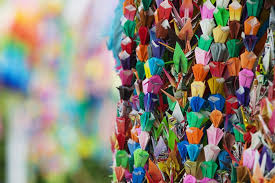
We need some paper cranes

April 9, 2020 by szachik@pvs.org 1 Comment

By Katelin Slosky 

The thousand paper cranes

When I was in 7th grade, I read a story about a girl named Sadako. The atomic bomb fell on Hiroshima when she was two years old, and ten years later she started suffering from leukemia. When she was in the hospital, her best friend gave her some folding paper, and told Sadako the legend of the crane, a sacred bird in Japan. She explained that if a sick person folds 1,000 paper cranes, they will get better.

Sadako started folding paper cranes. She managed to fold a total of 644 paper cranes before slipping into a peaceful sleep.

The Children’s Peace Monument was built in her honor. It is located in the center of the Hiroshima Peace Park. Many children today send paper cranes to be placed underneath the statue, close to the engraving that states, “This is our cry. This is our prayer. Peace in the world.”

Favorite Books Editor: James Zheng

Filed Under: Favorite Books Tagged With: Katelin Slosky, We need some paper cranes

What would happen if Malala appeared in Lord of the Flies?

April 9, 2020 by szachik@pvs.org Leave a Comment

By Chelsea

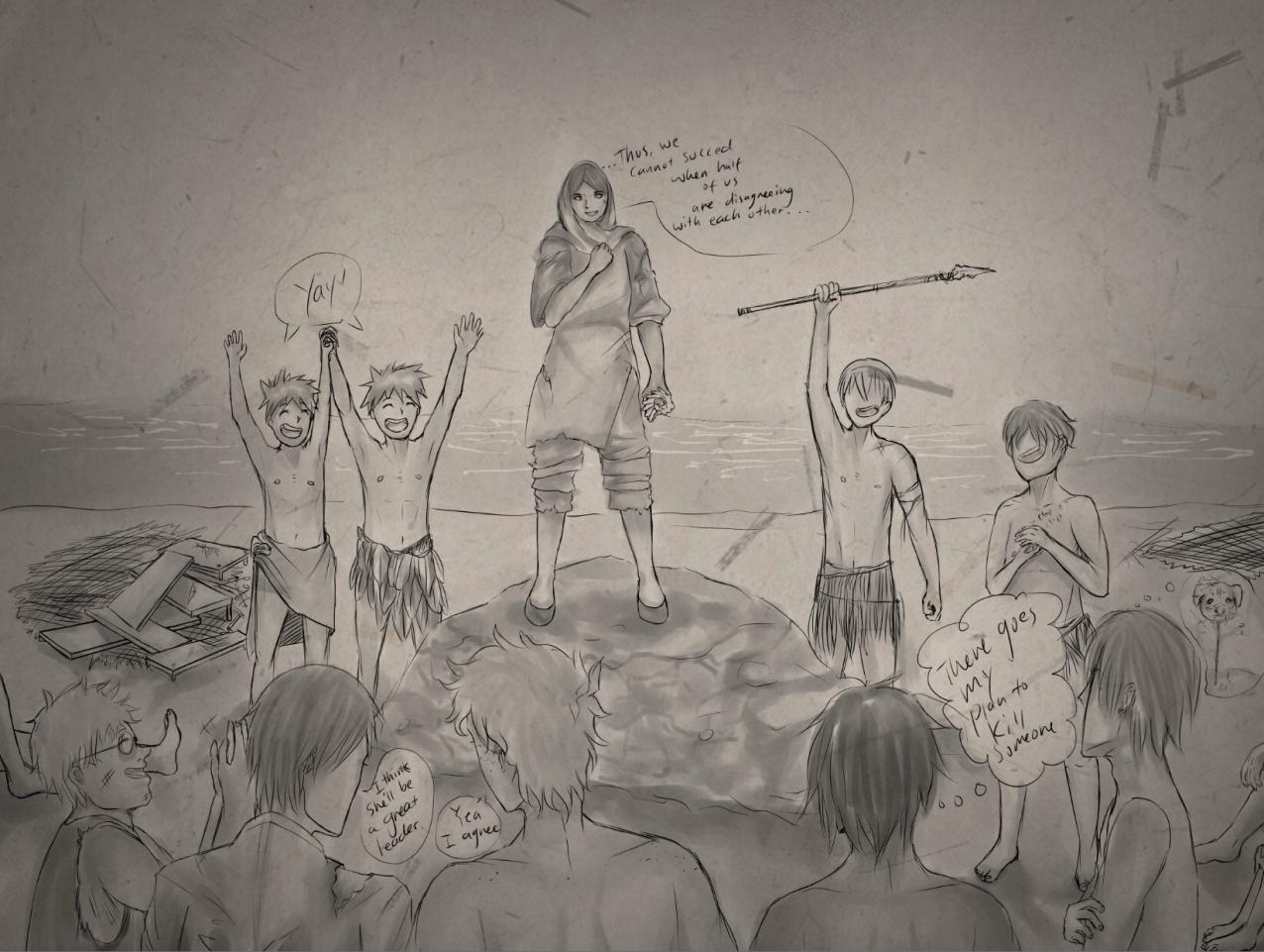
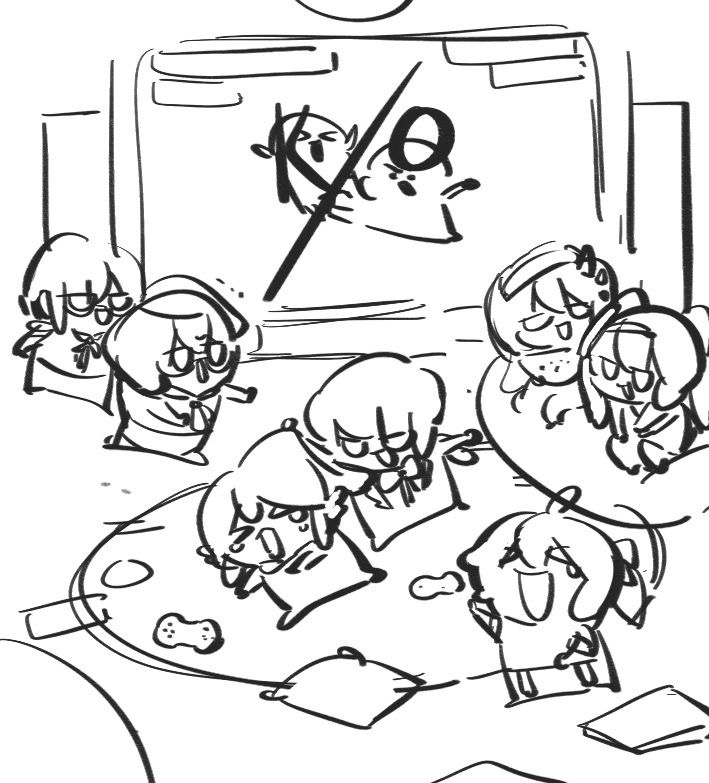
Hello! Last week in Blog it was all about favorite books!! I decided to draw a mash-up of my favorites Lord of The Flies and I Am Malala. Since I wasn’t able to decide which book I should draw, Luke gave me the idea of a crossover between these two books. So here it is! Hope you enjoy!

Favorite Books Editor:James Zheng

Filed Under: Favorite Books Tagged With: Chelsea

Should we edit children’s genomes?

April 9, 2020 by szachik@pvs.org 1 Comment

By Katelin Slosky

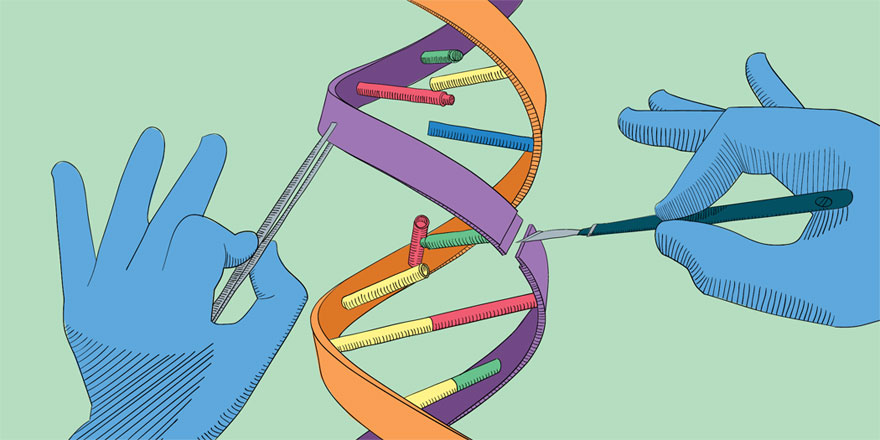
In Ms. Castellano’s 9th-grade Biology class, we discussed DNA and the effects of editing genomes. It got me thinking.

While editing genomes may have medical benefits such as treating many human diseases, including sickle cell anemia and cancer, is it something that we should be doing? Genome editing could have drastic effects on future generations, so are we willing to take that risk for the medical benefits now?

On one hand, we could cure (or completely prevent) genetic diseases. On the other hand, how far are we willing to go to edit a human’s genes? Are we willing to accept the risks of humans having that much power over their own species? Is editing a child’s genomes ethical? The benefits may seem to outweigh the negatives, but do they?

While we could prevent children being born with genetic disorders or disabilities, that also erases what makes them unique. Another question is where do we draw the line? Where is the boundary between disease treatment and just flat-out “enhancement?”

One question I have is whether humans can be responsible with this much power. We have a history of not handling great amounts of power very well, and I fear that, while this sounds good on paper, this could have disastrous results.

Morality Editor: Luke Langlois

Filed Under: Morality Tagged With: Katelin Slosky, Should we edit children’s genomes?

A game of spirit

April 7, 2020 by szachik@pvs.org Leave a Comment

By Doreen Yuan

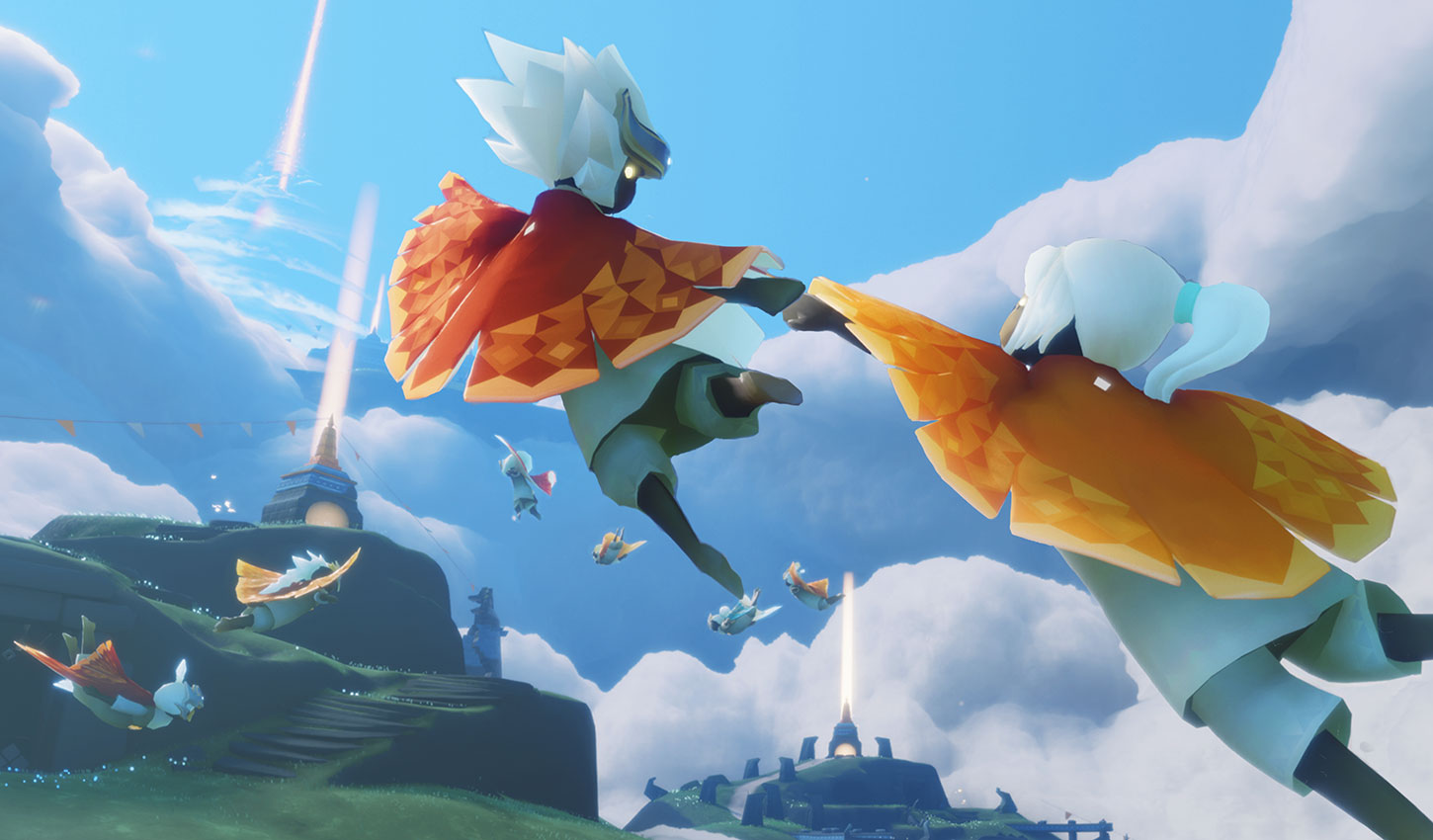
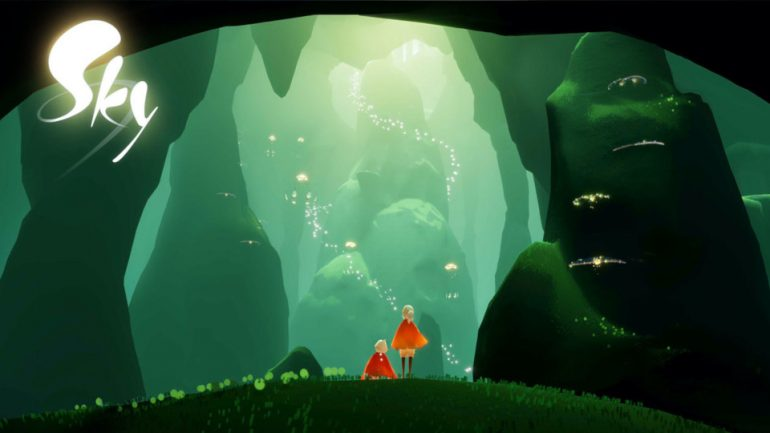
Today I would like to recommend a leisure adventure game. The name of this game is Sky: The Children of Light. In this game, the player will play the child of the sky, fall on the mainland as a meteor, and take risks from then on.

There are seven maps in the game. The scene design of each map is very exquisite and ingenious. As a relatively successful worker in mobile 3D games, I can say that I like the role interaction and character design very much.

Players can play different characters in different costumes, and the color of wings will be different. As players find golden figurines in more maps, they can upgrade their wings. The higher the level of wings, the higher they fly.

What I want to focus on is the setting of ancestors in this game. In this game, ancestors are called spirits. Players can only find candles, that is, customs clearance props, if they follow their ancestors’ steps. Therefore, spirit is a very important theme in this game. In the last level, only players can reach the top of the Eden with mutual help. This also relies on spirit, so spirit can help us to maintain ourselves, be positive and look forward to the future through difficulties.

Spirit Editor: Katelin Slosky

*Doreen says if you’re interested in the game, you can download the game from the Apple or Android store. Do it, and play together with Doreen!

Filed Under: Spirits Tagged With: A game of spirit, Doreen Yuan

Time passes

April 7, 2020 by szachik@pvs.org Leave a Comment

By Katelin Slosky

Time passes, and 

We must live in the moment,

But never think about living in the moment

Or else the moment is ruined

If we think ahead, how will we focus on finding happiness now?

I miss my old friends

Because one day we’ll cross paths

and i’ll say “hey”

and they’ll say “who are you?”

‘cause they won’t know who i am

and i suppose i won’t know who they are either

We’ve changed so much through all this time

We’re practically strangers now, with only the memory of who we once were

Where did Time go?

But I guess, when you live in the moment, you don’t think ahead

You don’t think about trying to enjoy it, because you already are

And just like that, it’s gone

I wish we could go back

I wish I could go back

Carpe Diem Editor: Quintus Ni

Filed Under: Carpe Diem Tagged With: Katelin Slosky, Time passes

Live in the Moment

April 7, 2020 by szachik@pvs.org 2 Comments

By Doreen Yuan

Life is an existence towards death. It is a completely different state for a person to think about death when he is young, and to think about death when he is old, or even to think about death when he is dying. In the face of life there is death, writer Bi Shumin said, a writer who tries “to help people see [death] as a natural thing.”

It’s not unreasonable to say that life is short. People’s birth means death. The countdown of life has begun quietly, and we are one step closer to death. Therefore, when one is alive, one has done all one wants to do. One’s life will be complete.

Although none of us can predict what will happen in the next second, death and the end are inevitable. So, take advantage of the time to visit; take advantage of our young enthusiasm; and do all the things you want to do in order so as to leave no regrets and pass away peacefully.

With her original graphic, Doreen encourages all to “have fun” and live in the moment. She says the above is reminiscent of PVS Scarefest nights.

Carpe Diem Editor: Quintus Ni

Source Referenced: http://en.chinaculture.org/library/2008-01/09/content_75971_2.htm

Filed Under: Carpe Diem Tagged With: Doreen Yuan, Live in the Moment

Luke’s Ranking of his High-School Mandated Readings

April 2, 2020 by szachik@pvs.org 3 Comments

By Luke Langlois

Four years of English class gives students plenty of time to read plenty of books. Some were better than others. So, here is my mostly spoiler-free (for students who haven’t read these yet) ranking of high-school mandated readings. Stick around until the end to read up on the opinions of some other members of the senior class. Please note that this is opinion; these are all world-renowned works and enriching literature.

Image result for books

#19 – Amy Tan’s The Joy Luck Club: While The Joy Luck Club has a satisfying ending that will at least slightly touch anyone who’s ever had a family, the narrative style was not so satisfying (basically, a collection of short stories), and I never could connect to it. To be fair, the book revolves around Chinese American immigrant families and would likely mean much more to someone more culturally or circumstantially connected to the protagonists. 

#18 – Ray Bradbury’s Fahrenheit 451: This was not technically a required class reading, but it was one of the summer reading options for AP English Language and almost everyone in my class picked it up, so it counts. The reason it is so low is because of the, ahem, great expectations I had for it. Fahrenheit 451 is just one of those books that is “hyped up” in the literary sphere, but it did not have the punch I expected when I read it. 

#17 – Charles Dickens’s Great Expectations: This tale of wealth, poverty, love, and rejection is an all-time great bildungsroman (coming-of-age story), but there is just too much coming of age. It is just so long and dreadfully dull at times. I will say, however, that Dickens has to be a significant contributor to our knowledge of the Victorian Era as the way he wrote his settings in this novel, from the cabinets in the cabins to the bustle on the streets, left little to the imagination.

#16 – Christopher Marlowe’s Doctor Faustus: This play, while not exactly full of action, is given credit in my mind because of how aware you are of the “expiration date” on Doctor Faustus’s deal with the devil. What does a man look like when his eternal soul is running out of free time?

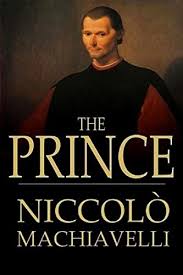
#15 – Niccolo Machiavelli’s The Prince: Perhaps if I was born five-hundred years earlier and into a royal family I would find more practical use out of this guide on how to rule your sovereign state. The historical value of this book outweighs its content.

Image result for the prince

#14 – Oscar Wilde’s The Picture of Dorian Gray: There are three things I learned from this novel: the soul cannot be cleansed; you cannot hide from yourself; and don’t do drugs.

#13 – William Shakespeare’s Macbeth: The regicidal aspect of this play may not be applicable to today’s world, but I find value in Macbeth by comparing the plot to what happens when you lie. If you lie once, you have to keep lying, but that blood will never leave your hands.

#12 – William Golding’s Lord of the Flies: This novel forced me to take a long hard look at myself and humanity as a whole. I concluded that, yes, we do suck.

#11 – Isabel Allende’s The House of the Spirits: I have to say that this was one of the strangest novels I have read period. Allende seamlessly blends what is real with the magical elements of the novel as if the magic is not even there (thus the label of magical realism). The most intriguing part to me, though, is the portrayal of one of the United States’s not-so-great moments: putting authoritarian leader Pinochet into power in Chile. Isabelle Allende’s familial connection to the leader before Pinochet, Salvador Allende, adds more authenticity to it all. 

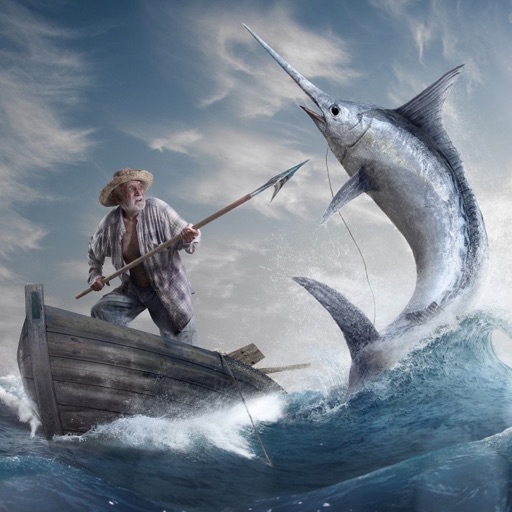
#10 – Ernest Hemingway’s The Old Man and the Sea: A relatively short novel that depicts an old man wrestling with a large marlin off the coast of Cuba. It perfectly combines moments of extreme intensity (shark attack!) with the peace of fishing adrift in the ocean.

Image result for the old man and the sea

#9 – Fyodor Dostoyevsky’s Crime and Punishment: A look into our human psyche that is entirely dreadful, but it’s a good type of dreadful. Like the characters in this novel, I felt like I was also living in a cramped Russian slum trapped inside of my head.

#8 –  F. Scott Fitzgerald’s The Great Gatsby: Many people would call this novel the most overrated out of these greats work, but I see it as a touching tragedy because, honestly, I rooted for Gatsby! Gatsby gave his heart and soul building an empire of wealth for his glimmering green light, but it was just out of reach.

#7 TIE – William Shakespeare’s Othello and Hamlet: There was nothing that particularly sticks with me about the meanings of these plays, but, when you read Shakespeare, you see bits and pieces of story elements, themes, and phrases that have survived the test of time and appear in our modern works. It’s quite cool!

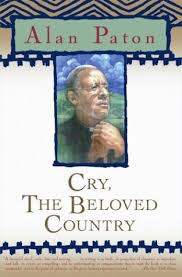
#5 Alan Paton’s Cry, the Beloved Country: I know some of you may find this unusually high, but this novel made me want to take a trip to South Africa, even though the state of affairs there is depicted somewhat poorly here. I can attribute that to Paton’s description of the nation’s natural beauty. Plus, Stephen Kumalo is a universally likable protagonist. 

Image result for cry the beloved country

#4 Khaled Hosseini’s A Thousand Splendid Suns: I am enthralled by this novel in the same way I am enthralled by Cry, the Beloved Country. Even though Hosseini portrays a war-torn Afghanistan where women suffer from heartbreaking abuse that is culturally ingrained, he still makes sure to look beyond the horrors and emphasize the natural human beauty that connects us all, regardless of culture.

#3 John Steinbeck’s Of Mice and Men: Like Fahrenheit 451, this book is just one of those that is hyped up. Unlike Fahrenheit 451, it has the punch it needed. If you’ve read it, you know the one.

#2 Cormac McCarthy’s The Road: This story of a father and son journeying across post-apocalyptic America is devoid of anything even remotely close to happiness, warmth, life, or hope. That’s what makes it great. It is overwhelmingly grey, chilling, and depressing and is an excellent deterrent to nuclear warfare (even though the catastrophe that occurred is never revealed). 

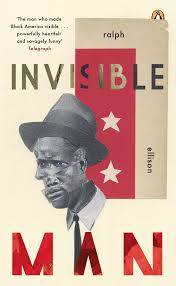
#1 Ralph Ellison’s Invisible Man: Again, this was an AP Lang reading option so most students have not read this one, but, as you can see by the ranking, I recommend you do so. The longer novels have not fared well on this list, but Invisible Man is a six-hundred-page beast that authentically documents every facet of the 20th-century strife of the African-American Harlem and broader American community. In this picaresque novel, the protagonist is never even given a name, but his experience with racially-driven brutality and his inability to find an identity (thus, the invisible man), made me more desperate to cheer for him than any other literary protagonist. The novel is dense and reading it is an investment of time, but it is time well spent for the historical and racial perspective.

Image result for invisible man ralph ellison

Does the senior class agree with me? Let’s find out. . . 

Favorite High-School Mandated Reads:

Brennan Nick – Fahrenheit 451

Sydney Armor – A Thousand Splendid Suns

Shelby Armor – Of Mice and Men

Wilton Zuniga – Doctor Faustus 

Charles Schnell – Crime and Punishment 

Renee Vazquez – Othello?

Lawrence Nelson  – Fahrenheit 451

Least Favorite High-School Mandated Reads: 

Brennan Nick – The Old Man and the Sea

Sydney Armor – Doctor Faustus

Shelby Armor – The Road

Wilton Zuniga – The Prince

Charles Schnell – The Road

Renee Vazquez – Cry, the Beloved Country

Lawrence Nelson – The Joy Luck Club

Favorite Books Editor: James Zheng

Filed Under: Favorite Books Tagged With: Luke Langlois

Historical Figures–What would life be like without them?

April 2, 2020 by szachik@pvs.org Leave a Comment

By Chelsea

As we all know, historical figures played a huge part in the making of our history. Their impacts are hugely different from one another, and thus, they made the world what it is today. Here are some famous historical figures that shaped the world. Imagine what life would be like without them.

Without Issac Newton, we would discover gravity much later, thus delaying the progression of scientific improvement.

Without William Shakespare, the greatest plays and stories would not have been created. 

Without Charles Darwin, the science of evolution of all species would not be discovered until much later. 

Without Nicolaus Copernicus, people would choose to believe in religion that earth is the center of the universe much longer than it should be.

Without Benjamin Franklin, the discovery of electricity would be much later than it was supposed to be.

Without George Washington, America would take much more time to gain its independence, or it would still remain in the Commonwealth.

Without Susan B. Anthony, the women’s suffrage movement would never have made it that far.

Without Adolf Hitler, the Second World War would probably have never happened. The geography of European countries would not have changed during that time. The recovery of the Great Depression in the USA would recover much slower. NATO and the Marshall plan would never exist. etc. 

Without Robert E. Kahn and Vint Cerf, our improvement on the internet would have slowed, or never happened. 

Without Sergey Brin, our beloved Google would never exist. Or, it would take on another name.

Filed Under: Historical Figures, History Tagged With: Chelsea, Historical Figures--What would life be like without them?

Something to Think about Thursday: Photos from the Home Front

April 2, 2020 by szachik@pvs.org Leave a Comment

I asked our PVS bloggers to document what they see from the Home Front in this time of coronavirus quarantine. They discovered old family photos, streets empty of traffic, happy dogs, a world outside still rich in sunshine and butterflies, the joy of sleeping in, the joy of cooking, and the joy of reading Nietzsche.

Photo by Renée Vazquez: “Picture of my great-great grandmother that we dug back up.”
Photo by Chelsea Xu: “Here’s some pictures I took during my walks. It’s usually very peaceful and quiet in my area, and I can hear the soft wind blowing and birds singing that I rarely had the time to listen to before the outbreak.”
Photo by Renée Vazquez: We noticed our dogs are pretty happy about having us around.
Photo by Quintus Ni: Quintus finds time to sit outside in the sun. It soothes him.
Photo by Doreen Yuan: We all get to sleep a little bit longer.
Photo by Susie Zachik: The foothills of our valley seem to be doing just fine, as are the blue skies, the clouds, the mountains.
Photo by Doreen Yuan: We’re doing a lot more home cooking.
Photo by James Zheng: James, of course, turns to Nietzsche in times of need.
Photo by Katelin Slosky: Katelin takes notice of the great butterfly migration going on.

Filed Under: Something to Think about Thursday

  • « Previous Page
  • 1
  • …
  • 62
  • 63
  • 64
  • 65
  • 66
  • …
  • 128
  • Next Page »

About

We are the Palm Valley Firebirds of Rancho Mirage, California. Join us in our endeavors. Venture through the school year with us, perusing the artwork of our students, community, and staff. Our goal is to share the poems, stories, drawings and photographs, essays and parodies that come out of our school. Welcome aboard!